


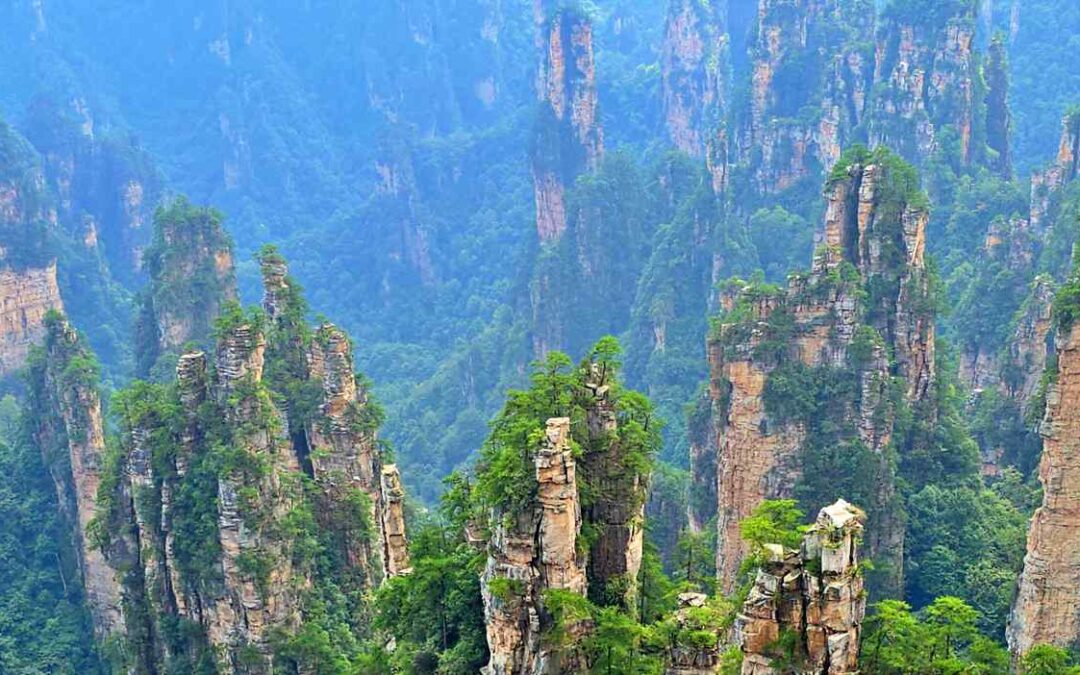
Zhangjiajie: The Sublime Landscape of the Film Avatar
Zhangjiajie: The Sublime Landscape of the Film Avatar Zhangjiajie is now one of my favorite destinations in China. Not only does it boast some of the country’s most spectacular landscapes, but in recent years it has continued to work on turning these places into...
No se encontraron resultados
La página solicitada no pudo encontrarse. Trate de perfeccionar su búsqueda o utilice la navegación para localizar la entrada.
Ethnic groups
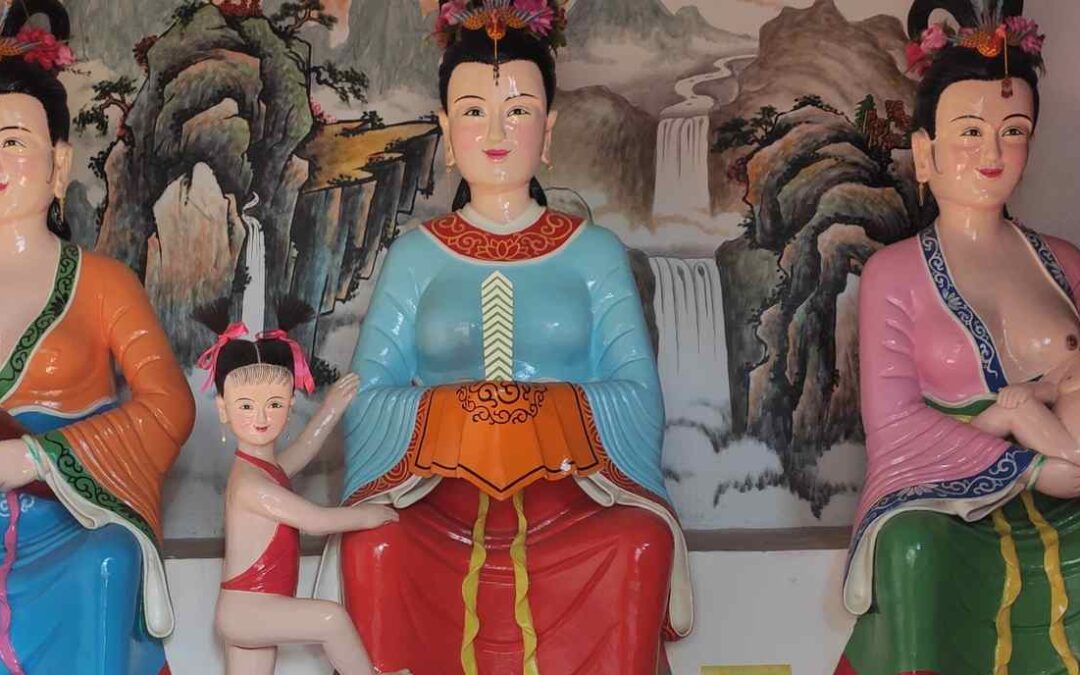
The Local Lords cult of the Bai nationality
The worship of the Local Lords (benzhu) is the most characteristic of the Bai people. Their religious life revolves around the Benzhu temple of each village, as each village venerates a local lord, sometimes a historical figure who sacrificed for the people. In other...
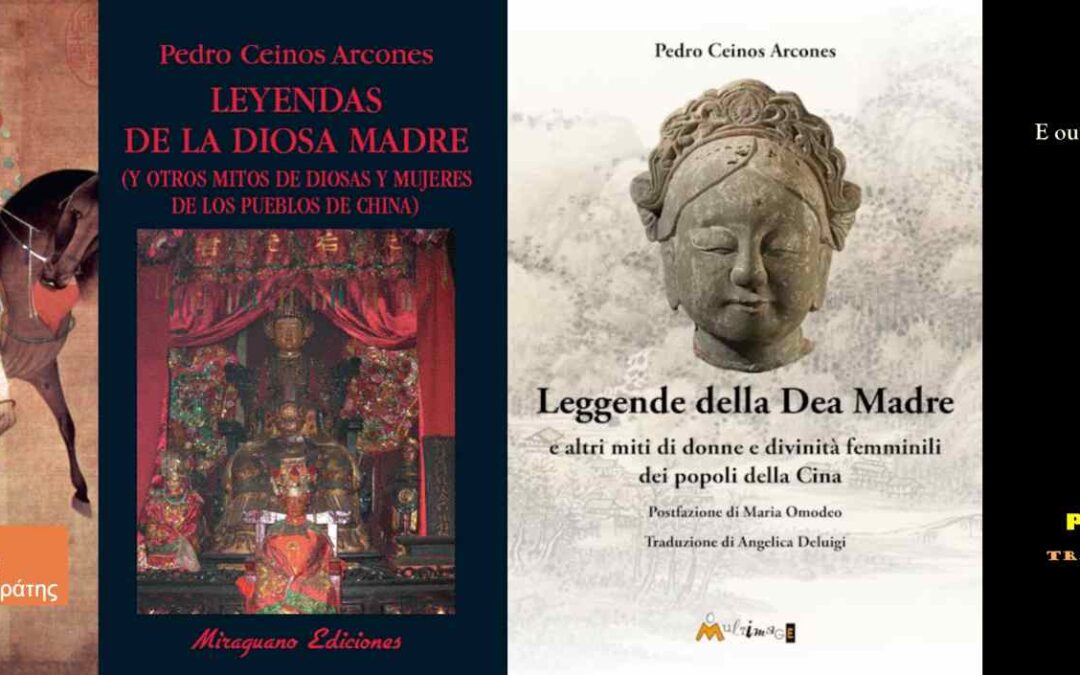
Legends of the Mother Goddess
Legends of the Mother Goddess I am pleased to share with all you that the Italian translation of my book Legends of the Mother Goddess (and Other Myths of Goddesses and Women from the Peoples of China) has now been published and is available for purchase. As many of...
Chinese culture
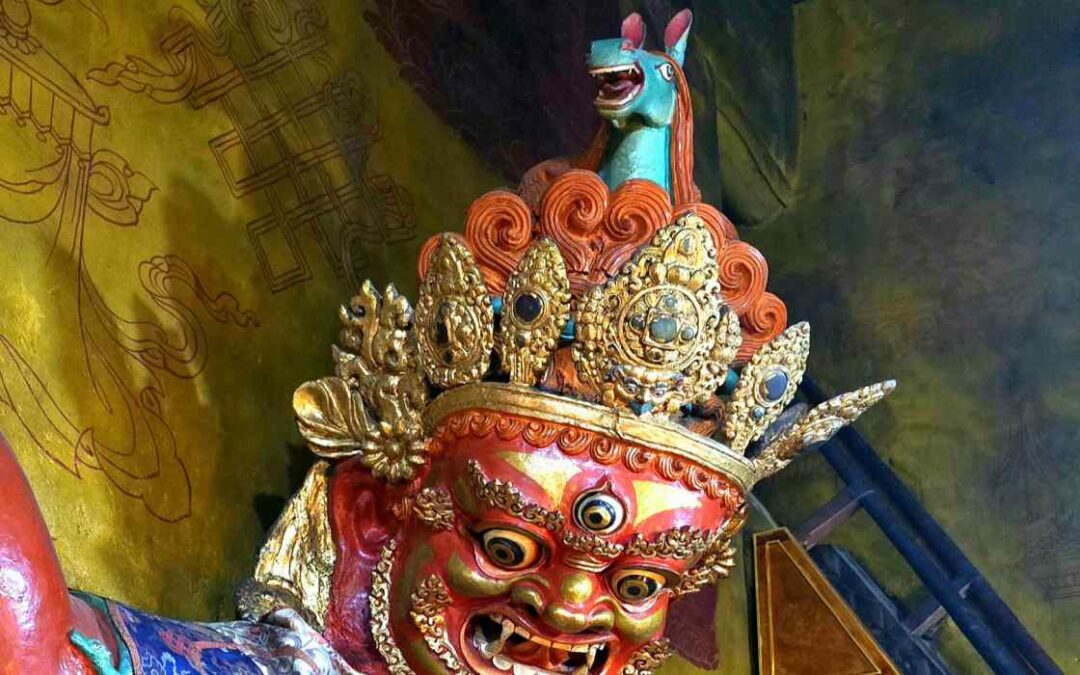
The Tibetan Deity with a Horse Face
The Tibetan Deity with a Horse Face During my most recent journey to Tibet, someone pointed out to me in a temple a deity who bore a small horse upon his head. I knew that this protector is called Hayagriva, and that he is sometimes referred to as “Horse-Headed” or...
Chinese idioms
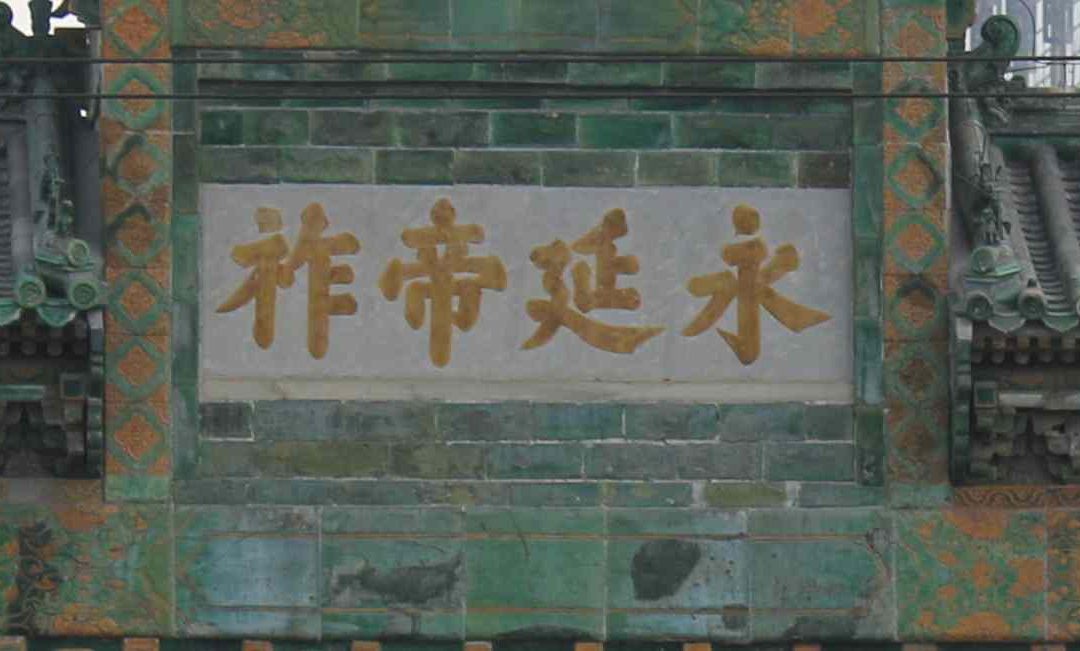
Chinese idioms One of the most difficult aspects of Chinese is to learn is the so-called idioms or chengyu (成语). In general, they refer to short sentences composed of four characters that allude to some historical fact or literary anecdote from ancient times. Its...
We are working to republish all the old post in this new format, but due to the vast amount of post published in the last years, it is possible that old and new design posts will coexist during some months.
INDEX OF ETHNIC GROUPS PAGES
General –Achang – Bai – Baima – Baoan – Bulang – Buyang – Buyi – Chashan – Dai – Daur – Deang – Deng – Dong – Dongxiang – Dulong – Ersu – Ewenki – Gejia – Gelao – Hani – Hezhe – Jingpo – Jino – Kucong – Lahu – Lhoba – Li – Lisu – Manchu – Maonan – Miao – Mongols – Moso – Mulao – Namzi – Naxi – Nu – Oroqen – Pumi – Qiang – Sani – She – Shui – Talu – Tibetan – Tu – Tujia – Uygur – Wa – Xibe – Yao – Yi – Yugur– Zhuang