


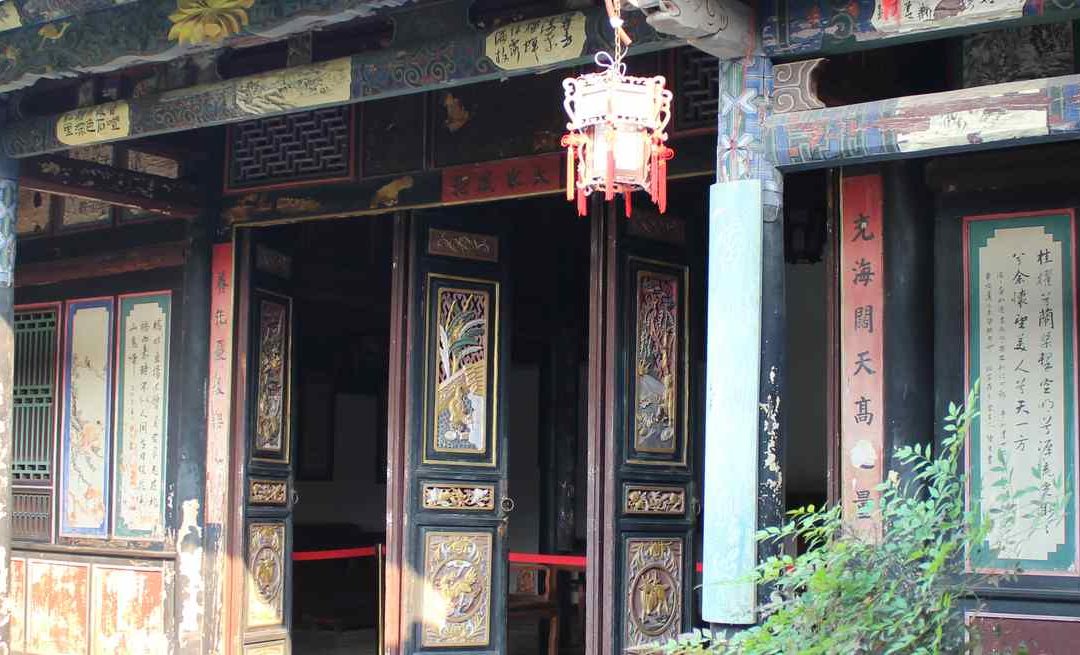
Jianshui- the largest ancient building complex in Yunnan
Jianshui- the largest ancient building complex in Yunnan 220 kilometers southeast of Kunming is one of the oldest cities in Yunnan. In imperial times it was the main administrative center for the entire eastern and southern part of the province, today it has a small...
No se encontraron resultados
La página solicitada no pudo encontrarse. Trate de perfeccionar su búsqueda o utilice la navegación para localizar la entrada.
Ethnic groups
Thoughts about the Yao history
Thoughts about the Yao history Two of the papers presented in the First International Congress of Yao Studies deal with the origin and meaning of the "King Ping's Charter", a kind of document that granted the Yao free pass across the mountains of the 15 southern...

Discover the secret of the dances of Chinese minorities
Li Beida. Dances of the Chinese minorities. Beijing, China Intercontinental Press, 2006 Though readers fond of Chinese ethnic groups will welcome the publishing of this new book about the minorities' dances, many will feel disappointed after its reading. This is...
Chinese culture

2,000-year-old paintings in a Chinese tomb
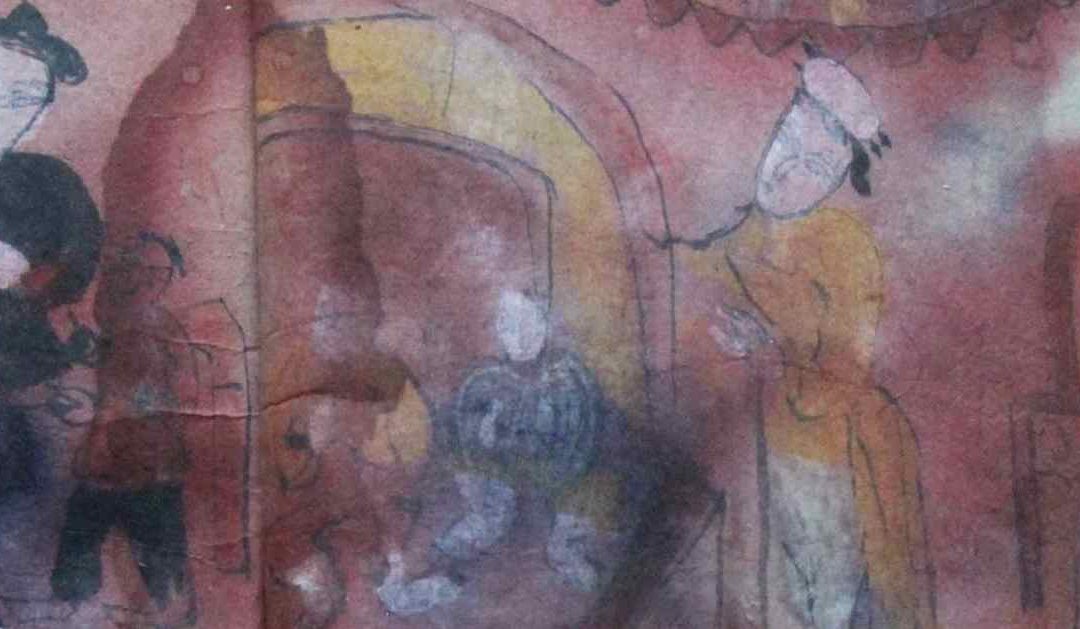
2,000-year-old paintings in a Chinese tomb It has been more than 10 years since the publication of The complete collection of murals unearthed in China, a dozen or so books describing with abundant full-color photographs the frescoes discovered in Chinese tombs....
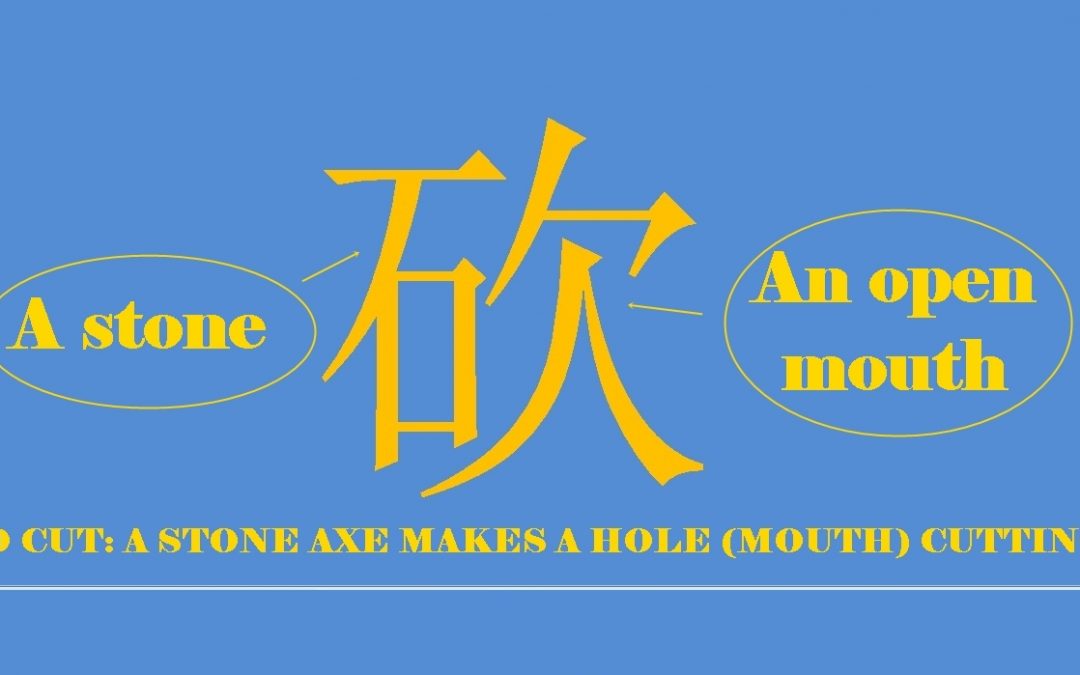
Chinese character 砍 kǎn – cut
砍 kǎn – cut Main meanings: ① cut, chop ② cut down HSK - STROKES - 5 RADICAL - 石 Etymology: Elements ---- Open mouth 欠 + stone 石. Phonetic series 欠. A stone 石 knife that leaves a void 欠 when cutting. Main Words: 砍柴 kǎnchái cut firewood. Discussion and sources More...
We are working to republish all the old post in this new format, but due to the vast amount of post published in the last years, it is possible that old and new design posts will coexist during some months.
INDEX OF ETHNIC GROUPS PAGES
General –Achang – Bai – Baima – Baoan – Bulang – Buyang – Buyi – Chashan – Dai – Daur – Deang – Deng – Dong – Dongxiang – Dulong – Ersu – Ewenki – Gejia – Gelao – Hani – Hezhe – Jingpo – Jino – Kucong – Lahu – Lhoba – Li – Lisu – Manchu – Maonan – Miao – Mongols – Moso – Mulao – Namzi – Naxi – Nu – Oroqen – Pumi – Qiang – Sani – She – Shui – Talu – Tibetan – Tu – Tujia – Uygur – Wa – Xibe – Yao – Yi – Yugur– Zhuang