


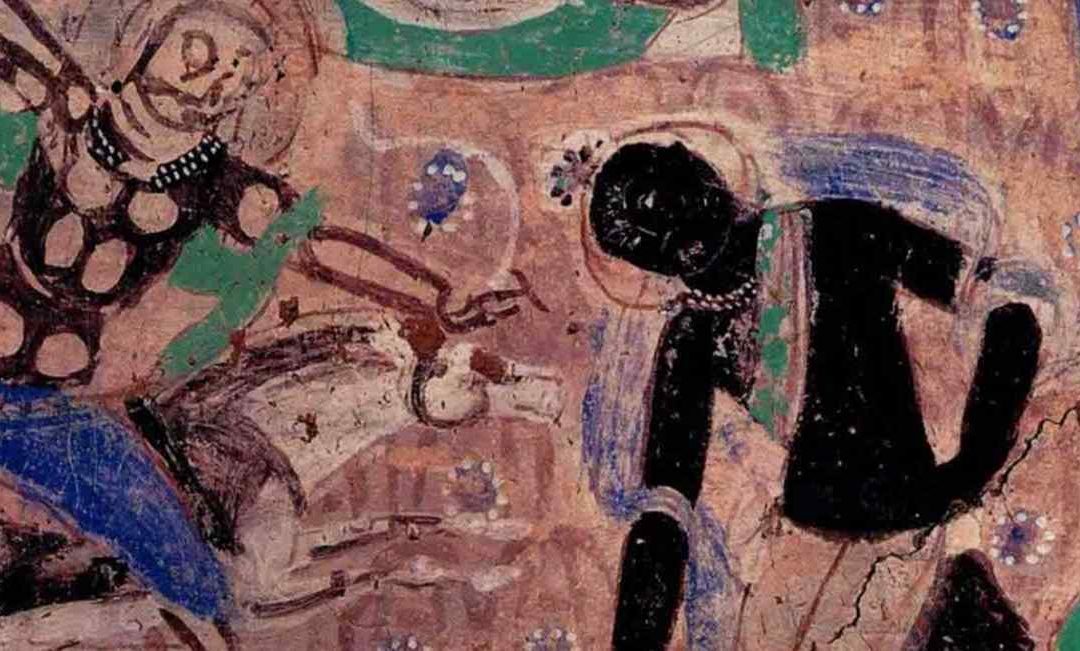
Kyzil Grottoes – Primitive Buddhist art on the Silk Road
The Kyzil Grottoes - Primitive Buddhist art on the Silk Road The Kizil Grottoes are located on the cliffs of Minya Dag Mountain facing the Muzhati River, 7 km southeast of Kizil Township, Baicheng County, and about forty-three kilometers west of present-day Kucha,...
No se encontraron resultados
La página solicitada no pudo encontrarse. Trate de perfeccionar su búsqueda o utilice la navegación para localizar la entrada.
Ethnic groups
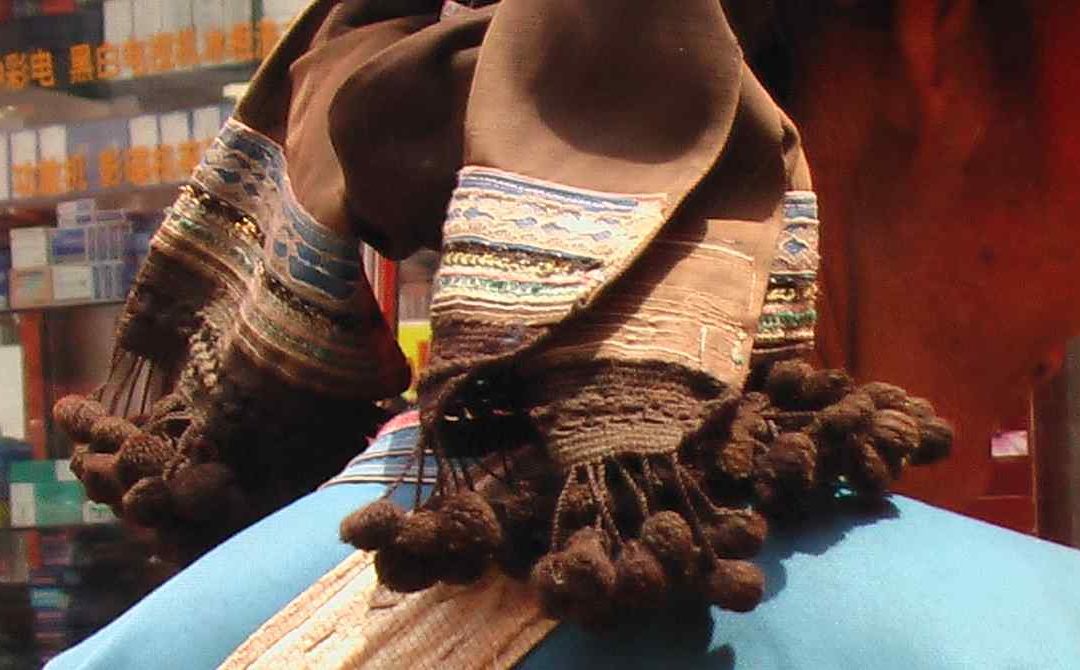
Researches on the Mo culture of the Zhuang
Researches on the Mo culture of the Zhuang (壮族墨文化研究 Zhuang zu mo wenhua yanjiu). Huang Guiqiu。 Nationalities Press. Beijing. 2006. 321 pp Mo culture of the Zhuang refers to the Mo beliefs of the Zhuang and the Buyi nationalities; as their culture share a high...

Violence and cannibalism in the Five Dynasties
l l Violence and cannibalism in the Five Dynasties When one begins to know the history of China, one concentrates its readings on its brilliant moments, on those great dynasties that expanded the territory, recreated surprising cultural forms and became the greatest...
Chinese culture
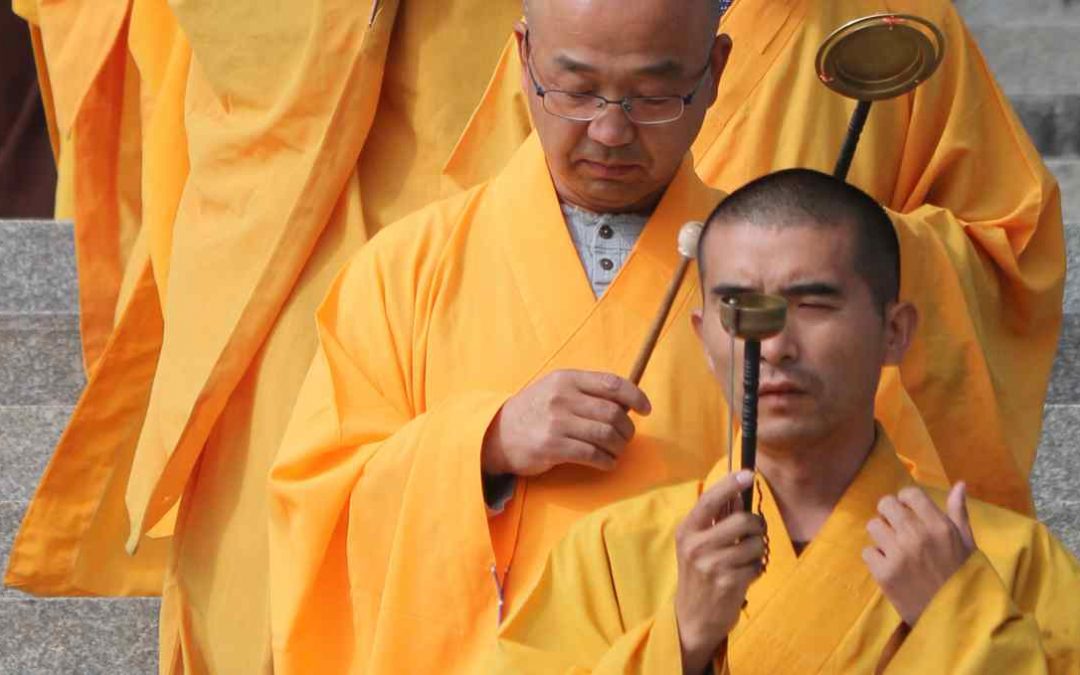
The religions of China
The religions of China Every people has the religion they inherit from their ancestors. This widely spread aphorism is truer in China than in other countries. Scholars say that the primitive religion of the Chinese, as of the peoples who lived near them, was the cult...
No se encontraron resultados
La página solicitada no pudo encontrarse. Trate de perfeccionar su búsqueda o utilice la navegación para localizar la entrada.
We are working to republish all the old post in this new format, but due to the vast amount of post published in the last years, it is possible that old and new design posts will coexist during some months.
INDEX OF ETHNIC GROUPS PAGES
General –Achang – Bai – Baima – Baoan – Bulang – Buyang – Buyi – Chashan – Dai – Daur – Deang – Deng – Dong – Dongxiang – Dulong – Ersu – Ewenki – Gejia – Gelao – Hani – Hezhe – Jingpo – Jino – Kucong – Lahu – Lhoba – Li – Lisu – Manchu – Maonan – Miao – Mongols – Moso – Mulao – Namzi – Naxi – Nu – Oroqen – Pumi – Qiang – Sani – She – Shui – Talu – Tibetan – Tu – Tujia – Uygur – Wa – Xibe – Yao – Yi – Yugur– Zhuang