


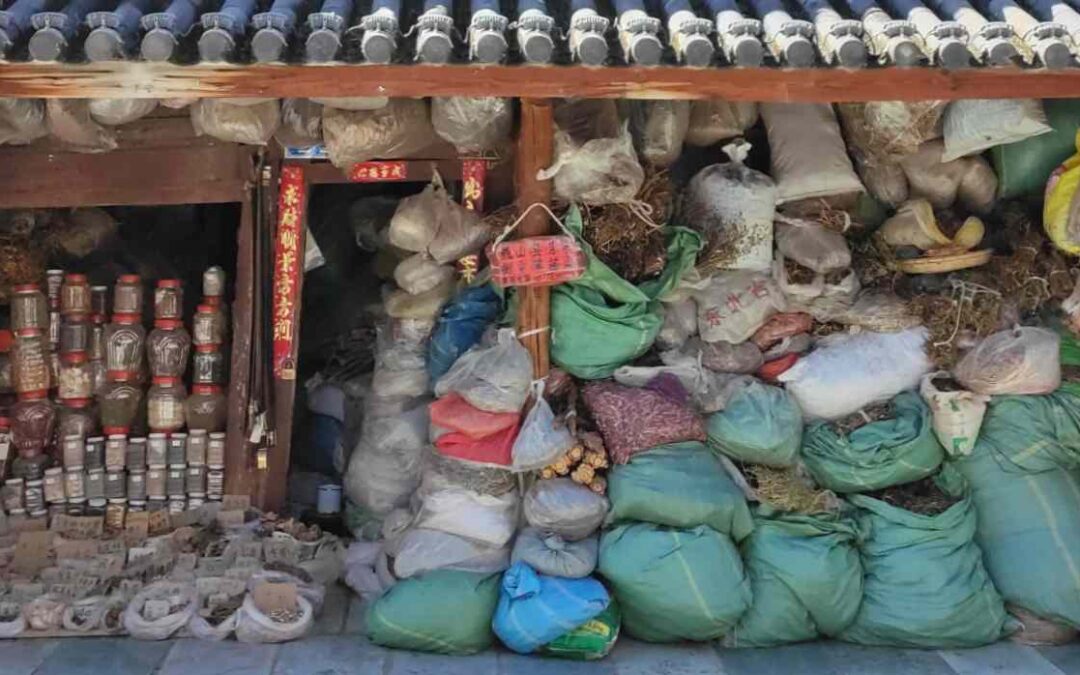
Chinese Herbal Medicine Shop in Weishan, Yunnan
Chinese Herbal Medicine Shop in Weishan, Yunnan China still maintains a strong tradition of using natural medicines, specifically herbs with medicinal properties that have been used for centuries. In addition to being present in the composition of many modern...
No se encontraron resultados
La página solicitada no pudo encontrarse. Trate de perfeccionar su búsqueda o utilice la navegación para localizar la entrada.
Ethnic groups

Some books about the Yao Nationality
Some books about the Yao Nationality Akemura Takuji.- TWO TYPES OF THE FEAST OF MERIT AMONG THE YAO, SOUTH CHINA. Tokyo 1968. Eli Alberts.- A History of Daoism and the Yao People of South China. Cambria Press, 2007 The term Yao refers to a non-sinitic speaking,...

How the presence of goddesses paves the way for female power
How the presence of goddesses paved the way for female power One of the theses of my book Matriarchy in China: mothers, goddesses, queens and shamans (Madrid, 2011) was to assert that the presence of goddesses with prominent roles in a culture could signal the past or...
Chinese culture
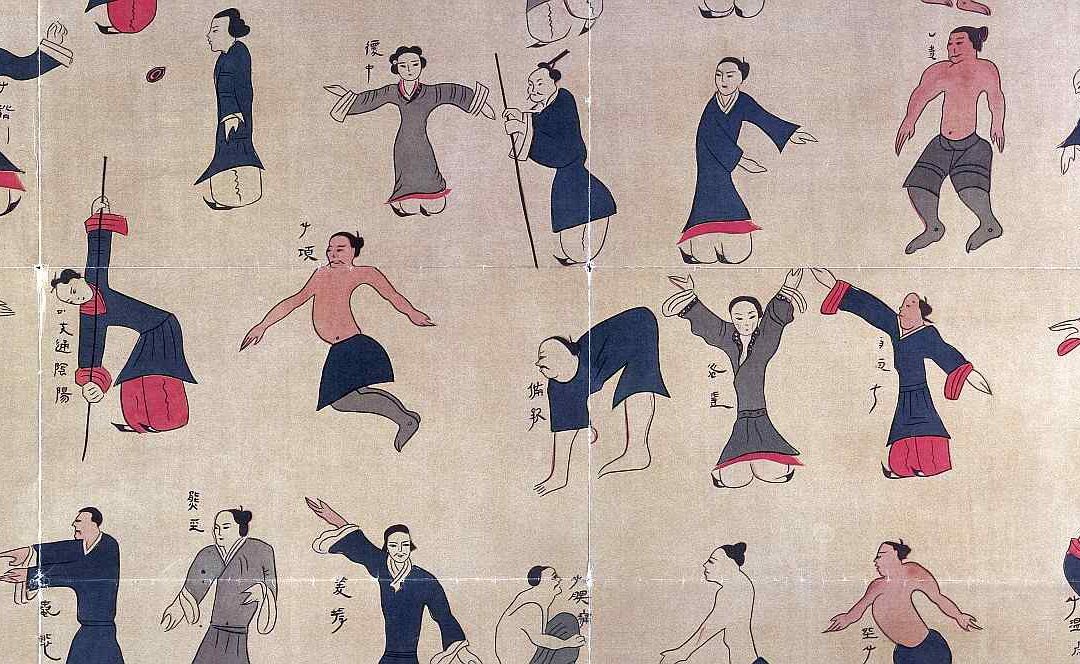
The Wenzi Begins: Echoes from a Forgotten Taoist Voice
The Wenzi Begins: Echoes from a Forgotten Taoist Voice The Wenzi (文子) is an ancient Daoist text attributed to a disciple of Laozi. Although its authenticity has been debated throughout history, its content clearly reflects the Daoist worldview and its influence on the...
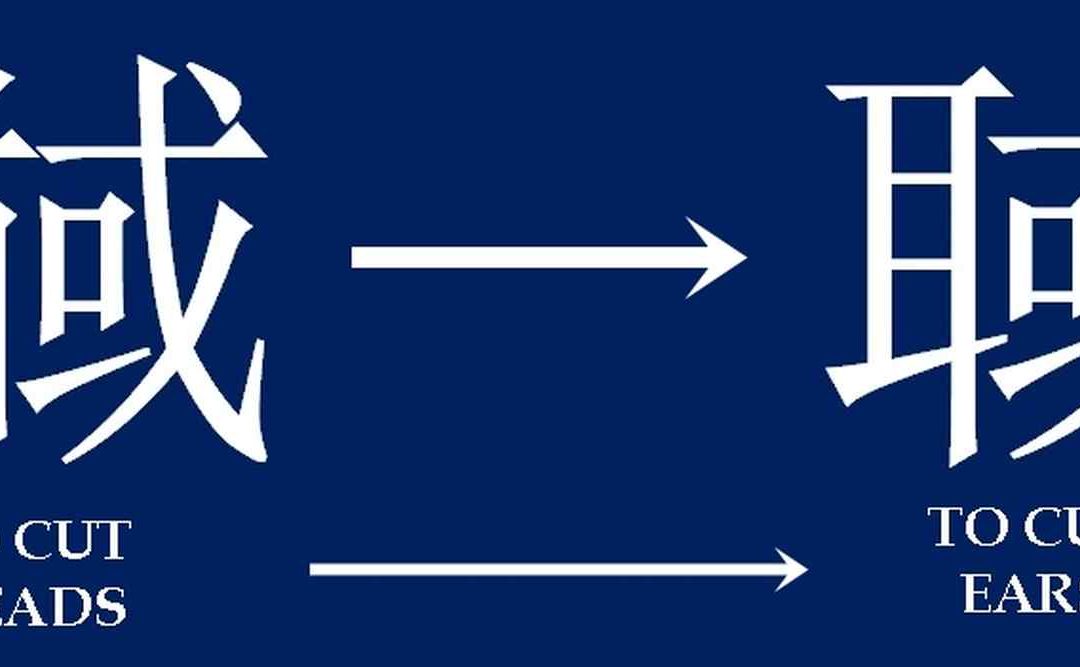
How a change in writing changed history
How a change in writing changed history In ancient China, enemies' heads were cut off for several different reasons: enemies captured alive as part of a ritual intended to provide power to the victor, during battle to witness the number of dead enemies and collect...
We are working to republish all the old post in this new format, but due to the vast amount of post published in the last years, it is possible that old and new design posts will coexist during some months.
INDEX OF ETHNIC GROUPS PAGES
General –Achang – Bai – Baima – Baoan – Bulang – Buyang – Buyi – Chashan – Dai – Daur – Deang – Deng – Dong – Dongxiang – Dulong – Ersu – Ewenki – Gejia – Gelao – Hani – Hezhe – Jingpo – Jino – Kucong – Lahu – Lhoba – Li – Lisu – Manchu – Maonan – Miao – Mongols – Moso – Mulao – Namzi – Naxi – Nu – Oroqen – Pumi – Qiang – Sani – She – Shui – Talu – Tibetan – Tu – Tujia – Uygur – Wa – Xibe – Yao – Yi – Yugur– Zhuang