


Buddhist Immersion from Shanghai: No Need to Board a Plane—Paradise Is Right at Your Doorstep
Buddhist Immersion from Shanghai: No Need to Board a Plane—Paradise Is Right at Your Doorstep Residents of Shanghai eager to learn more about Buddhist art and history often think they must undertake long journeys to reach the sacred mountains of this religion. What...
No se encontraron resultados
La página solicitada no pudo encontrarse. Trate de perfeccionar su búsqueda o utilice la navegación para localizar la entrada.
Ethnic groups

Tibetans, the people who descend from the monkey
Tibetans, the people who descend from the monkey According to an ancient myth, the Tibetans originated from the union of an ogress (raksasi) and a monkey. The monkey was sent by Avalokitesvara, Mother Buddha, to sow the seed of Buddhism in these lands. One day, an...
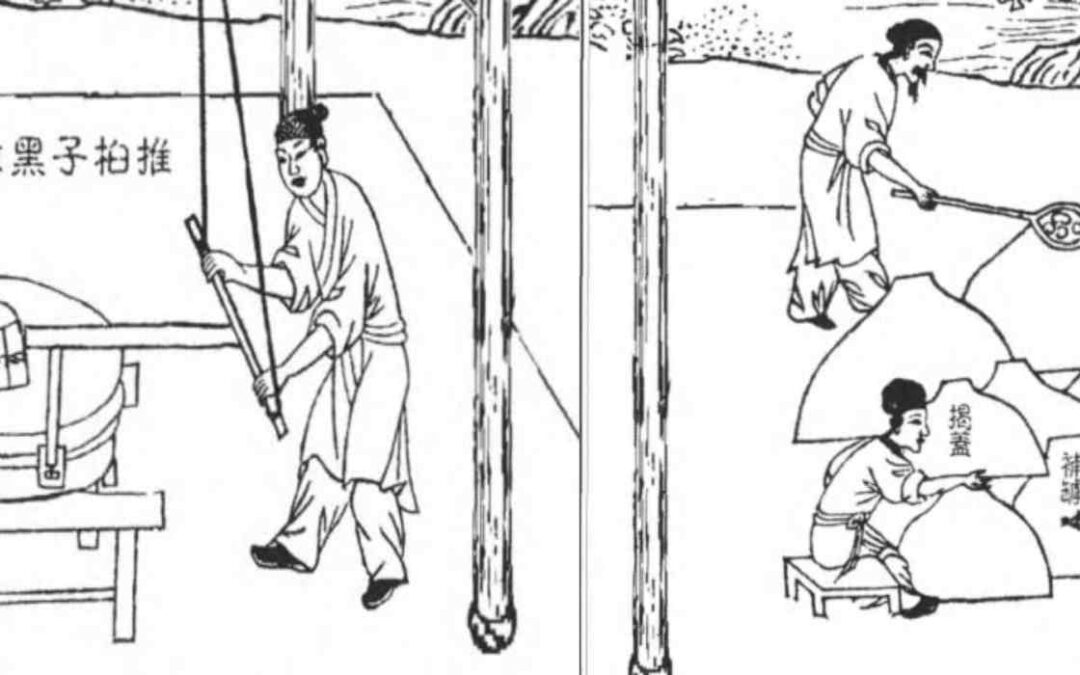
The economics of human plowing
The economics of human plowing According to “The Exploitation Of The Works Of Nature”, a 17th century Chinese book. In farming households where there are no oxen to use, farmers fix a pole to the plough and two men pull the plough by placing the pole on their...
Chinese culture
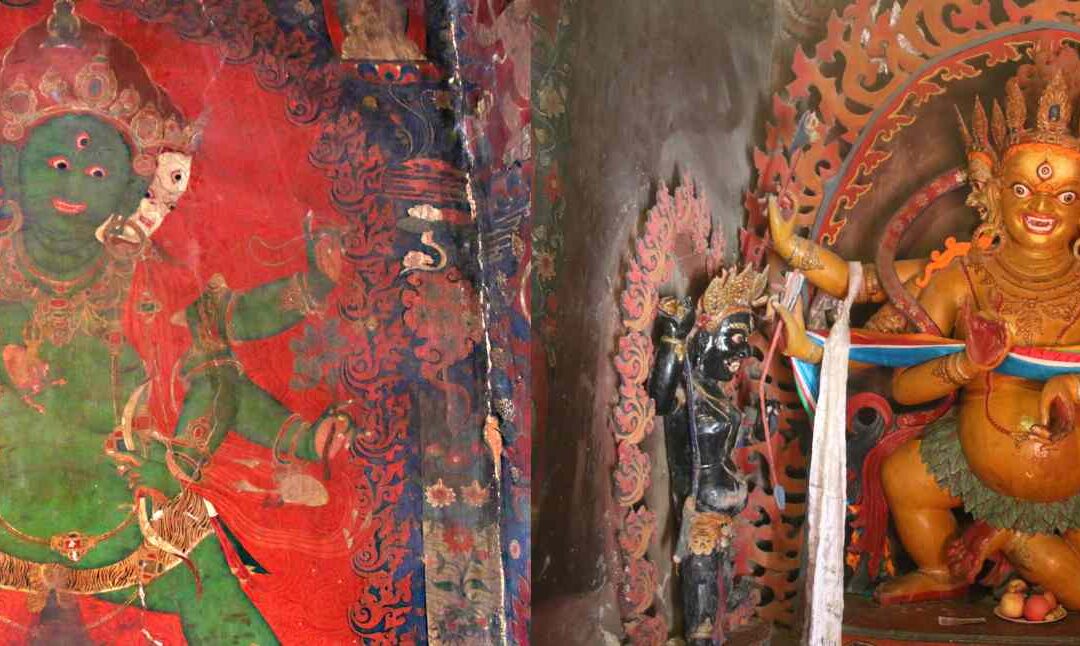
Parnashavari: The Tibetan Goddess of Medicine
Parnashavari: The Tibetan Goddess of Medicine Within the complex symbolism of Tibetan deities and protectors, I like to look for distinctive details that allow us to identify a figure the moment we see them in a temple. One of the goddesses who makes this task...
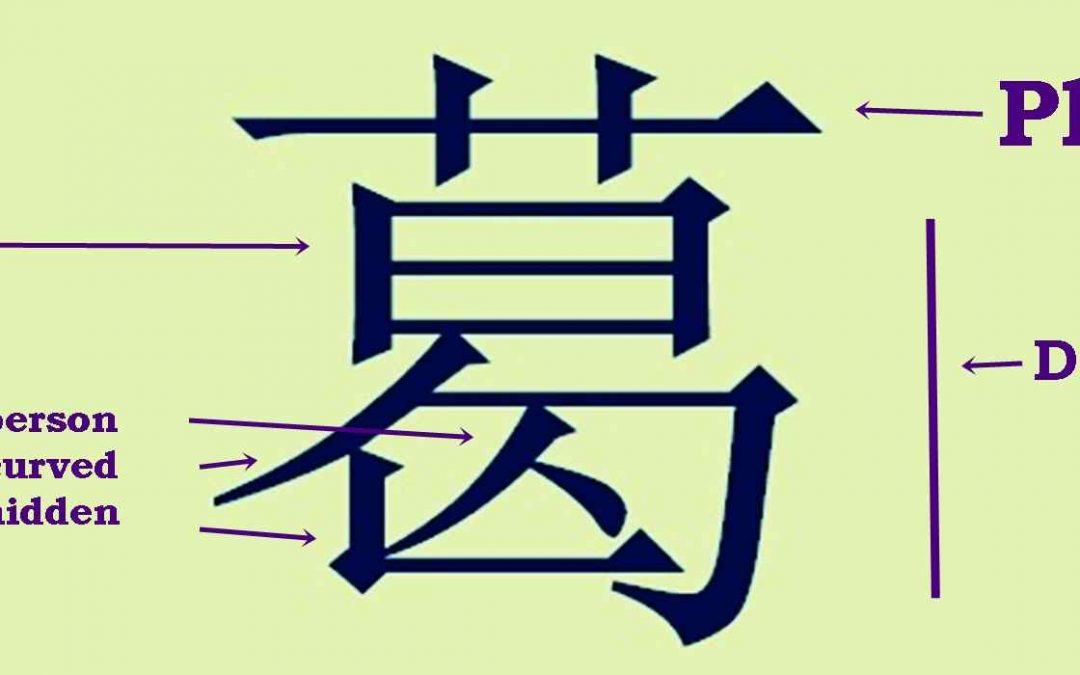
The Kudzu vine, a necessary plant
The Kudzu vine, a necessary plant. In the last edition of my book on Chinese characters I explained the character 葛 as follows: gé - kudzu vine. A plant 艹 asked 曷 for its beneficial properties and for its use in making clothes. And in turn曷 is explained: hé - how,...
We are working to republish all the old post in this new format, but due to the vast amount of post published in the last years, it is possible that old and new design posts will coexist during some months.
INDEX OF ETHNIC GROUPS PAGES
General –Achang – Bai – Baima – Baoan – Bulang – Buyang – Buyi – Chashan – Dai – Daur – Deang – Deng – Dong – Dongxiang – Dulong – Ersu – Ewenki – Gejia – Gelao – Hani – Hezhe – Jingpo – Jino – Kucong – Lahu – Lhoba – Li – Lisu – Manchu – Maonan – Miao – Mongols – Moso – Mulao – Namzi – Naxi – Nu – Oroqen – Pumi – Qiang – Sani – She – Shui – Talu – Tibetan – Tu – Tujia – Uygur – Wa – Xibe – Yao – Yi – Yugur– Zhuang