


The truth about the Great Wall
The truth about the Great Wall What would later come to be known as the Great Wall formed as a response to increased Mongol raiding after Esen was killed in 1455. Having failed to capitalize on the capture of Zhengtong, Esen lost the political momentum that had held...
No se encontraron resultados
La página solicitada no pudo encontrarse. Trate de perfeccionar su búsqueda o utilice la navegación para localizar la entrada.
Ethnic groups

The first description of the Religion of the Yi
The first description of the Religion of the Yi By Father François Louis Crabouillet in 1872. The religion of the Lolos[i] is that of sorcerers: it consists only of conjurations of evil spirits, according to them, the only authors of evil. Without being devout like...

Linghu Zhuan’s Skepticism Leads Him to the Underworld
Linghu Zhuan’s Skepticism Leads Him to the Underworld Linghu Zhuan was a man of great integrity who did not believe in gods or spirits. Whenever someone spoke of ghostly transformations or divine retribution in the afterlife, he refuted their words with compelling...
Chinese culture
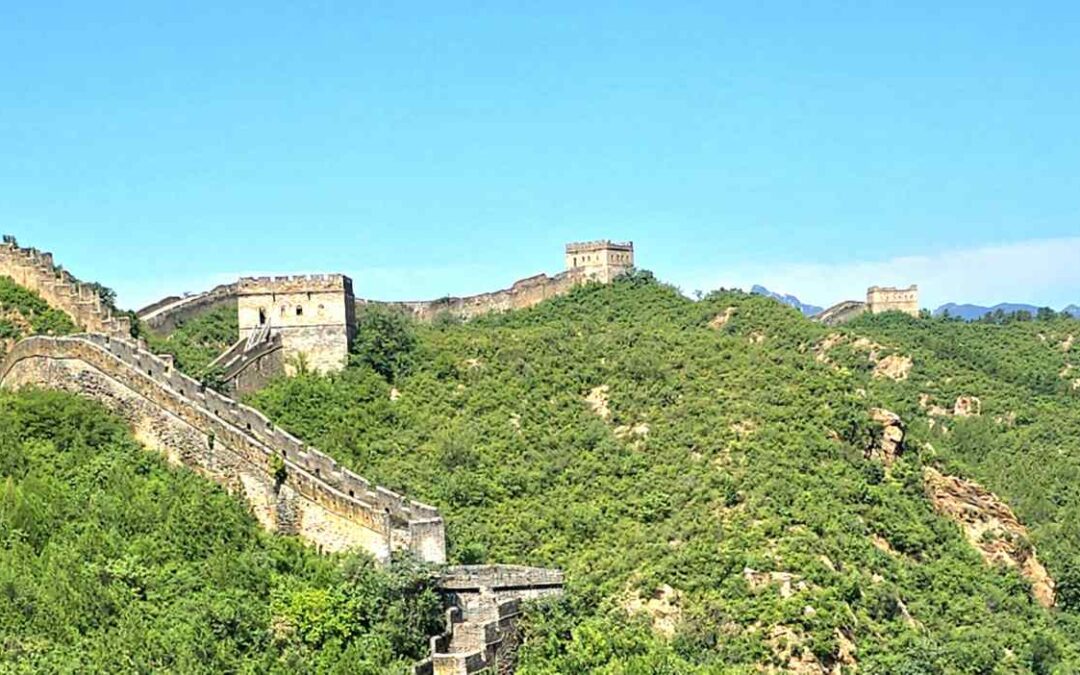
The true origin of the Great Wall
The true origin of the Great wall, as seen in Nicola Di Cosmo (The Origins of the Great Wall. Silk Road Journal. 1993). Generally speaking, the political discourse about foreigners in pre-imperial China tends to justify expansion and conquest, which is exactly what...

Chinese character for «snake»
Chinese character for "snake” The Chinese character to represent the snake has undergone over the centuries a curious evolution that, although seen from the cultural perspective of the XXI century may seem strange, it will not be so much if we remember the symbolism...
We are working to republish all the old post in this new format, but due to the vast amount of post published in the last years, it is possible that old and new design posts will coexist during some months.
INDEX OF ETHNIC GROUPS PAGES
General –Achang – Bai – Baima – Baoan – Bulang – Buyang – Buyi – Chashan – Dai – Daur – Deang – Deng – Dong – Dongxiang – Dulong – Ersu – Ewenki – Gejia – Gelao – Hani – Hezhe – Jingpo – Jino – Kucong – Lahu – Lhoba – Li – Lisu – Manchu – Maonan – Miao – Mongols – Moso – Mulao – Namzi – Naxi – Nu – Oroqen – Pumi – Qiang – Sani – She – Shui – Talu – Tibetan – Tu – Tujia – Uygur – Wa – Xibe – Yao – Yi – Yugur– Zhuang