


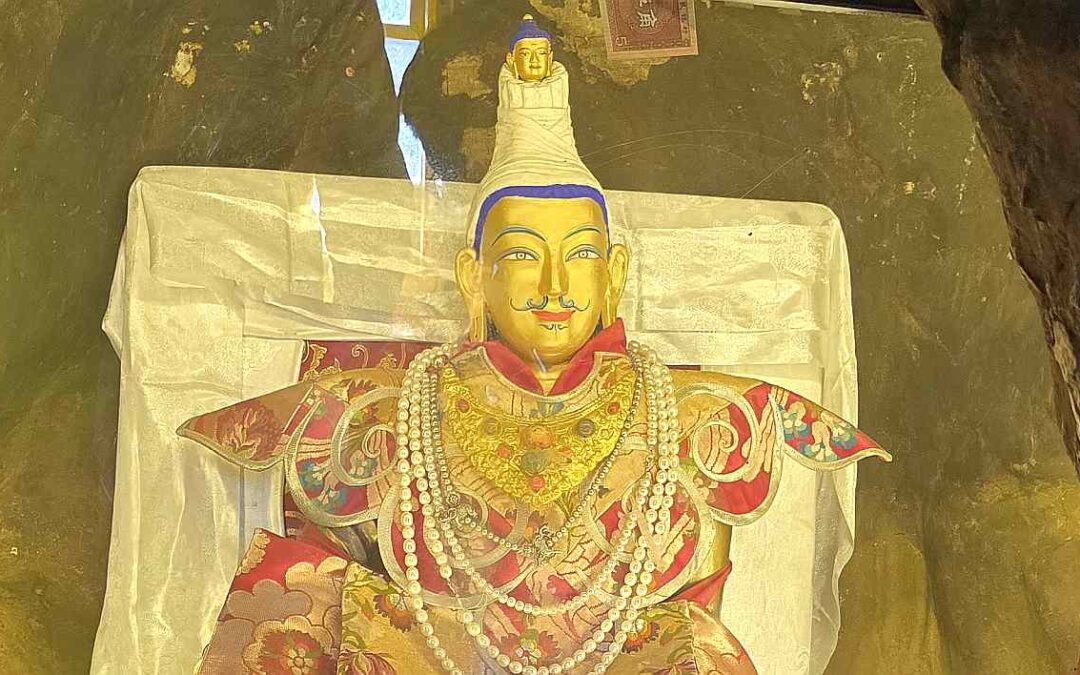
Drak Yerpa: The Tibetan Cliffs of Meditation
Drak Yerpa: The Tibetan Cliffs of Meditation A visit to the cliffs of Drak Yerpa, about 30 kilometers from Lhasa, not only offers a glimpse of the beauty of the Tibetan landscape and some rural settlements near the capital, but also gives us the chance to explore one...
No se encontraron resultados
La página solicitada no pudo encontrarse. Trate de perfeccionar su búsqueda o utilice la navegación para localizar la entrada.
Ethnic groups

Life of Milarepa, the hermit poet
Life of Milarepa, the hermit poet. MiIarepa is one of the most beloved religious leaders of Tibet. His story, full of unique facts, has been told again and again over the centuries, and if the publishers did not warn that this is the autobiography written by the holy...

Linghu Zhuan’s Skepticism Leads Him to the Underworld
Linghu Zhuan’s Skepticism Leads Him to the Underworld Linghu Zhuan was a man of great integrity who did not believe in gods or spirits. Whenever someone spoke of ghostly transformations or divine retribution in the afterlife, he refuted their words with compelling...
Chinese culture
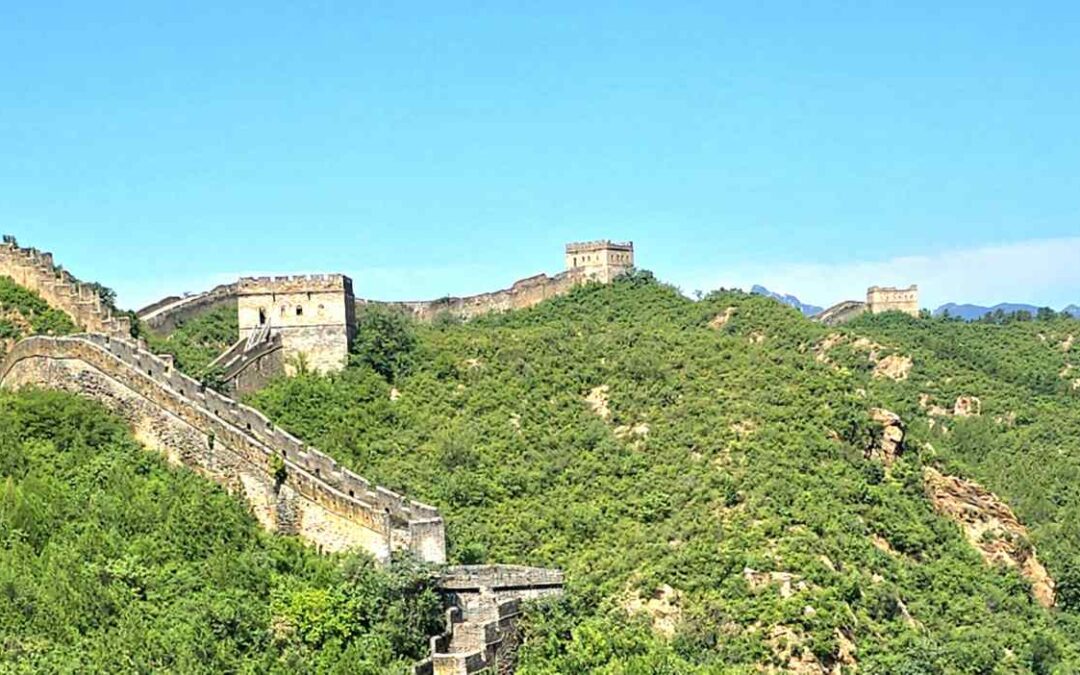
The true origin of the Great Wall
The true origin of the Great wall, as seen in Nicola Di Cosmo (The Origins of the Great Wall. Silk Road Journal. 1993). Generally speaking, the political discourse about foreigners in pre-imperial China tends to justify expansion and conquest, which is exactly what...
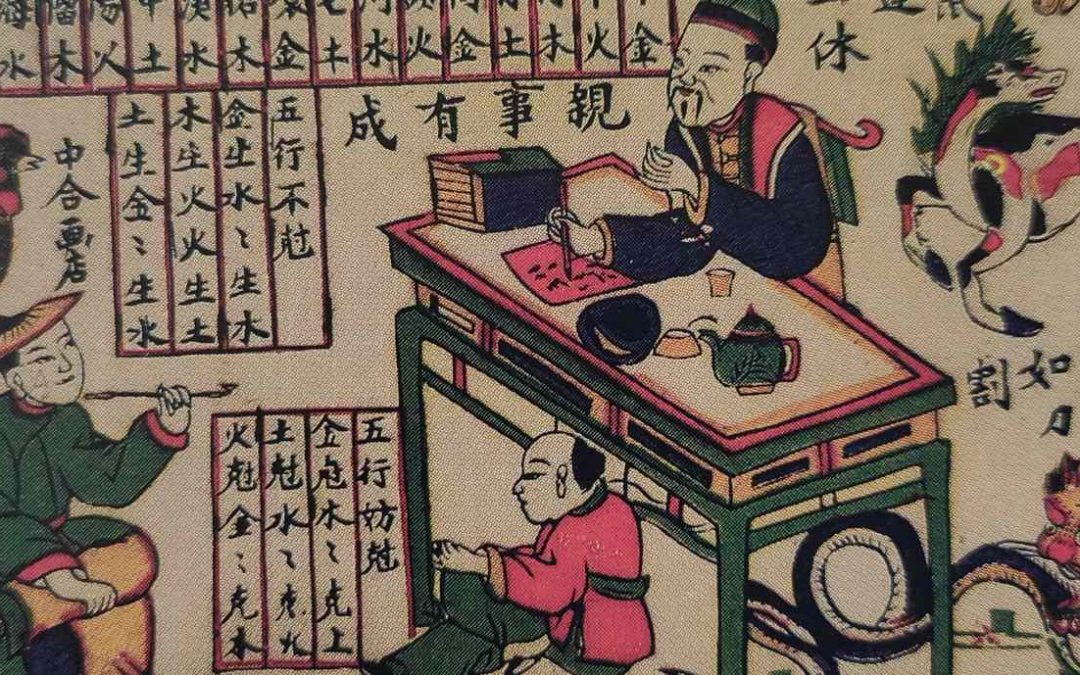
Discovering the tiger and the shaman in Chinese characters.
Discovering the tiger and the shaman in Chinese characters. In Chinese skin is pifu (皮肤). In the character pi 皮, which means skin, one can still discover a hand flaying a skin. The character fu 肤, however, is a simplified character, showing us the radical of the...
We are working to republish all the old post in this new format, but due to the vast amount of post published in the last years, it is possible that old and new design posts will coexist during some months.
INDEX OF ETHNIC GROUPS PAGES
General –Achang – Bai – Baima – Baoan – Bulang – Buyang – Buyi – Chashan – Dai – Daur – Deang – Deng – Dong – Dongxiang – Dulong – Ersu – Ewenki – Gejia – Gelao – Hani – Hezhe – Jingpo – Jino – Kucong – Lahu – Lhoba – Li – Lisu – Manchu – Maonan – Miao – Mongols – Moso – Mulao – Namzi – Naxi – Nu – Oroqen – Pumi – Qiang – Sani – She – Shui – Talu – Tibetan – Tu – Tujia – Uygur – Wa – Xibe – Yao – Yi – Yugur– Zhuang