


Researches on the Mo culture of the Zhuang (壮族墨文化研究 Zhuang zu mo wenhua yanjiu). Huang Guiqiu。 Nationalities Press. Beijing. 2006. 321 pp
Mo culture of the Zhuang refers to the Mo beliefs of the Zhuang and the Buyi nationalities; as their culture share a high percentage of common elements, beliefs and deities.
After some years when most of the Chinese academic works were mere depictions of the main characteristics of a national minority, we find now how the subjects of works is wider and deeper in the last years, as is the opening policy that prevails in most aspects of Chinese culture were reaching the field of the social sciences.
In the field of Zhuang studies, it was customary see most of the references to the creator god Buluotou, and only in some works vague references to the goddess Miluojia.
Maybe due to the Chinese cultural influence most of the Zhuang mythological, symbolic and religious world turned around this god. On the other side we saw as the feminine deities present in every aspect of Zhuang everyday life, were neglected.
This book breaks with this established tradition: the study of Buluotou in its first chapters is followed by the introduction of the world of the goddess Miluojia. Then the author explains the relationship between these two spiritual and symbolic realms, and with that of other goddesses, as Huapo or the Lady of the Flowers who according to Zhuang beliefs, is in charge of bring babies.
Here we translate the index to give the reader an idea of the contents of this book.
- Distribution and situation of the Mo culture of the Zhuang
2. Main god of the Mo culture: Buluotou.
3. The companion of Buluotou: Miloujia.
4. Sacred land of the Mo culture, the cult to Buluotou in Ganzhuang mountain.
5. Festivals of songs of Boluotou in the sacred land of Mo culture.
6. Imprints of Mo culture: Mo culture books.
7. The world of gods and demons in Mo culture.
8. Mo culture and shaman culture
9. Mo culture and «shigong» priest culture.
10. Mo culture in today Zhuang society.
[Cite]


Last posts
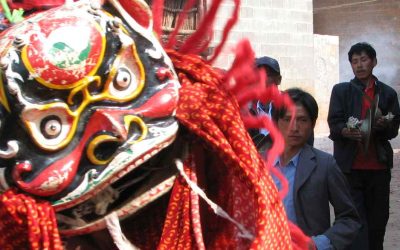
THE LION-DANCE AS RELIGIOUS DANCE
THE LION-DANCE AS RELIGIOUS DANCE The lion-dancers first appeared in China under the Tang dynasty (a.d. 618-906), and made their debut at the court of the kings of Tibet about the same time. The lion-dancer represents a form of the Indian mime or burlesque juggler,...

The Flowery Miao in Zhaotong
The Flowery Miao in Zhaotong As depicted by E. G. KEMP in The Face of China. New York. 1909. The prefectural town of Zhaotong was reached after passing through a dull plain, across which a piercing wind was blowing, which is characteristic of this district. It is an...
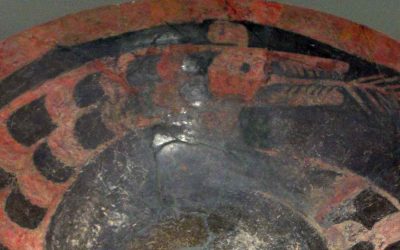
Taosi. The first capital of China
Taosi. The first capital of China Taosi is one of the most important archaeological discoveries in China in the past decades. Located in the southern part of Shanxi province, is possibly the first urban center emerged in China. The excavation of the ancient city of...