


Praise for the book on Chinese characters
Good News!
I’m happy to share that my book Chinese Characters: An Easy Learning Based on Their Etymology and Evolution has been selected by BookAuthority.org as one of The Best Etymology Books for Beginners! BookAuthority promotes some titles with the motto: “Start your journey with the best etymology books for beginners, recommended by leaders, experts, and readers worldwide.”
What makes this especially meaningful for me is that the book was originally published on Amazon’s self-publishing platform as a provisional edition, while I searched (in theory) for the time and energy to reach out to publishers and literary agents.
That was over two years ago.
That shows that I’m much more enthusiastic about researching and writing than pitching to publishers, I haven’t even started compiling a list of potential publishers or agents who might be interested in this project.
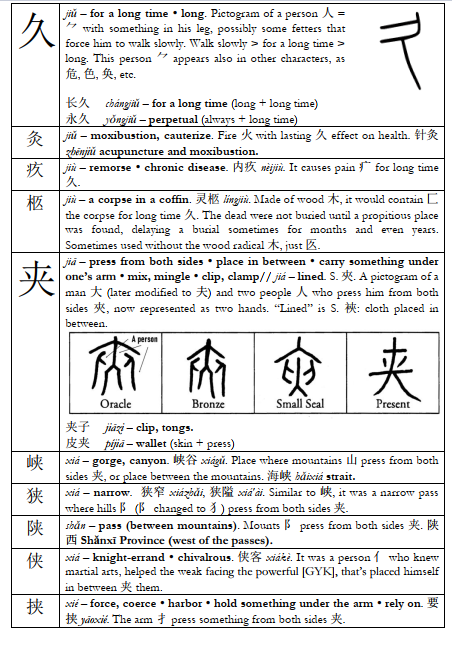
So, as I add this task (once again) to my 2025 to-do list, I’d like to celebrate this small milestone by sharing a page from the book along with this post.
About me: I have spent 30 years in China, much of the time traveling and studying this country’s culture. My most popular research focuses on Chinese characters (Chinese Characters: An Easy Learning Method Based on Their Etymology and Evolution), Matriarchy in China (there is a book with this title), and minority cultures (The Naxi of Southwest China). Yo can see my mis videos in Youtube, and more pictures about China in Instagram (pedroyunnan).
In travel, I have specialized in Yunnan, Tibet, the Silk Road, and other lesser-known places. Feel free to write to me if you’re planning a trip to China. The agency I collaborate with offers excellent service at an unbeatable price. You’ll find my email below.


Last posts
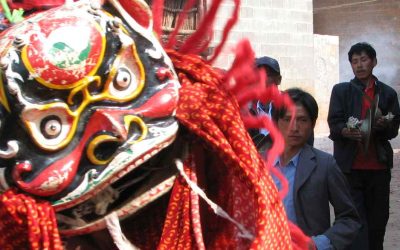
THE LION-DANCE AS RELIGIOUS DANCE
THE LION-DANCE AS RELIGIOUS DANCE The lion-dancers first appeared in China under the Tang dynasty (a.d. 618-906), and made their debut at the court of the kings of Tibet about the same time. The lion-dancer represents a form of the Indian mime or burlesque juggler,...
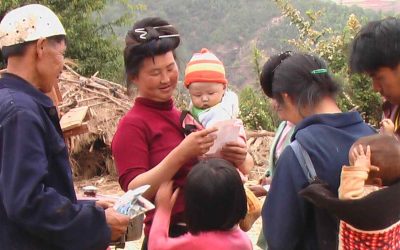
The Flowery Miao in Zhaotong
The Flowery Miao in Zhaotong As depicted by E. G. KEMP in The Face of China. New York. 1909. The prefectural town of Zhaotong was reached after passing through a dull plain, across which a piercing wind was blowing, which is characteristic of this district. It is an...
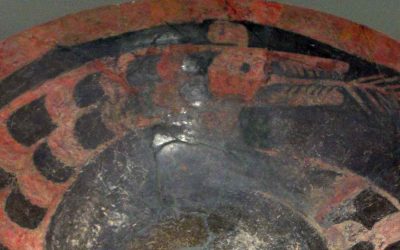
Taosi. The first capital of China
Taosi. The first capital of China Taosi is one of the most important archaeological discoveries in China in the past decades. Located in the southern part of Shanxi province, is possibly the first urban center emerged in China. The excavation of the ancient city of...

Chinese character 疚 jiù – chronic disease
Chinese character 疚 jiù – chronic disease 1. chronic disease. 2. remorse. HSK - STROKES - 8 RADICAL - 疒 Elements ---- Illnes radical 疒 + long time 久. Phonetic series 久. It causes pain 疒 for long time 久. 内疚 nèijiù – remorse (inner + remorse) 疚心 jiùxīn – ashamed...
The Flood Myth, Shamans and the Sani Religion
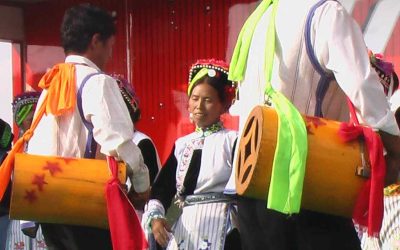
The Flood Myth, Shamans and the Sani Religion We continue with the second chapter of Paul Vial “Los Lolos”, in which fragments dedicated to the myth of the flood and the activities of its shamans are particularly striking. CHAPTER II - RELIGIOUS TRADITIONS These...
There was a matriarchy among the Yugur?
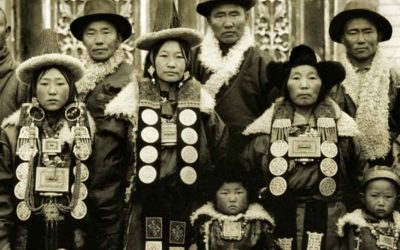
There was a matriarchy among the Yugur? The matrimonial customs of the Yugur present differences between their two main groups. Among the Eastern Yugur, girls had a time of great sexual freedom. Their rite of passage was the ceremony of making the headdress, which was...