


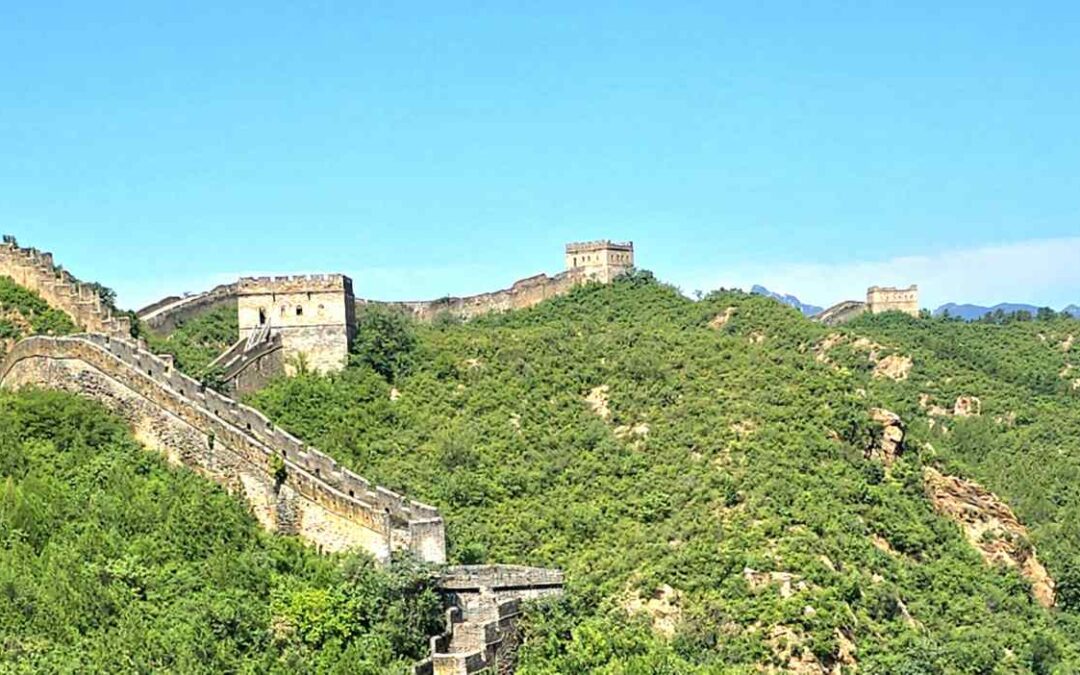
The true origin of the Great Wall
The true origin of the Great wall, as seen in Nicola Di Cosmo (The Origins of the Great Wall. Silk Road Journal. 1993). Generally speaking, the political discourse about foreigners in pre-imperial China tends to justify expansion and conquest, which is exactly what...
No se encontraron resultados
La página solicitada no pudo encontrarse. Trate de perfeccionar su búsqueda o utilice la navegación para localizar la entrada.
Ethnic groups

The tiger hero of the Naxi
The tiger hero of the Naxi[1] A long time ago, a man named Gaoqu Gaobo lived in the Baoshan area. He had a strong body, lively intelligence, and certain magical powers. He was always willing to help people. One day he went on a trip with a group of villagers. After a...
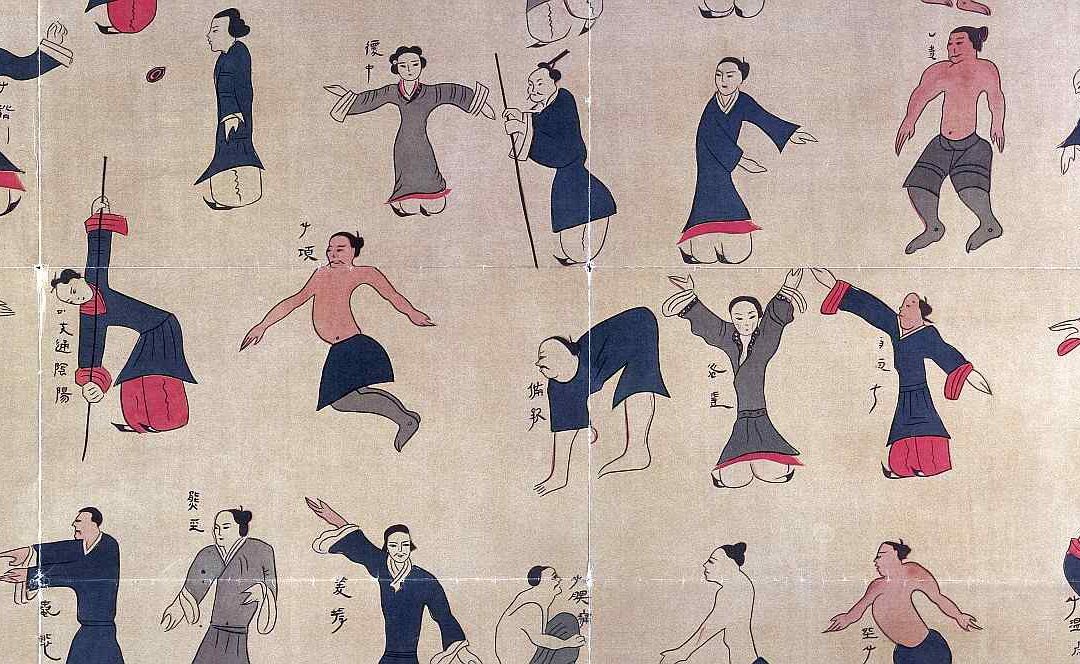
The Wenzi Begins: Echoes from a Forgotten Taoist Voice
The Wenzi Begins: Echoes from a Forgotten Taoist Voice The Wenzi (文子) is an ancient Daoist text attributed to a disciple of Laozi. Although its authenticity has been debated throughout history, its content clearly reflects the Daoist worldview and its influence on the...
Chinese culture
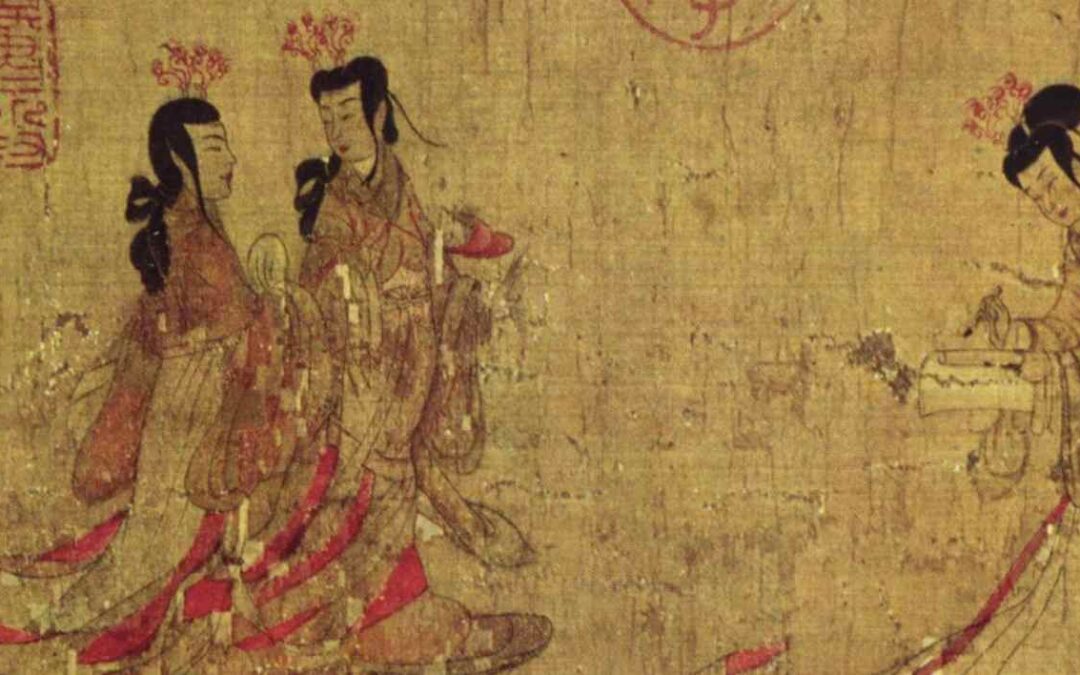
Geckos and the “Mark of Chastity” in Imperial China: History, Symbolism, and Cultural Context
Geckos and the “Mark of Chastity” in Imperial China: History, Symbolism, and Cultural Context Across the long span of imperial Chinese history, the gecko occupied a surprisingly prominent place in discussions of female chastity, bodily integrity, and the regulation of...

The character chai 拆- dismantle
The character chai 拆- dismantle One of the most frequent characters in the urban scenery of the China of the development and the transformation is chai 拆- dismantle. Any walk through the old neighborhoods of most Chinese cities continually led to being confronted...
We are working to republish all the old post in this new format, but due to the vast amount of post published in the last years, it is possible that old and new design posts will coexist during some months.
INDEX OF ETHNIC GROUPS PAGES
General –Achang – Bai – Baima – Baoan – Bulang – Buyang – Buyi – Chashan – Dai – Daur – Deang – Deng – Dong – Dongxiang – Dulong – Ersu – Ewenki – Gejia – Gelao – Hani – Hezhe – Jingpo – Jino – Kucong – Lahu – Lhoba – Li – Lisu – Manchu – Maonan – Miao – Mongols – Moso – Mulao – Namzi – Naxi – Nu – Oroqen – Pumi – Qiang – Sani – She – Shui – Talu – Tibetan – Tu – Tujia – Uygur – Wa – Xibe – Yao – Yi – Yugur– Zhuang