


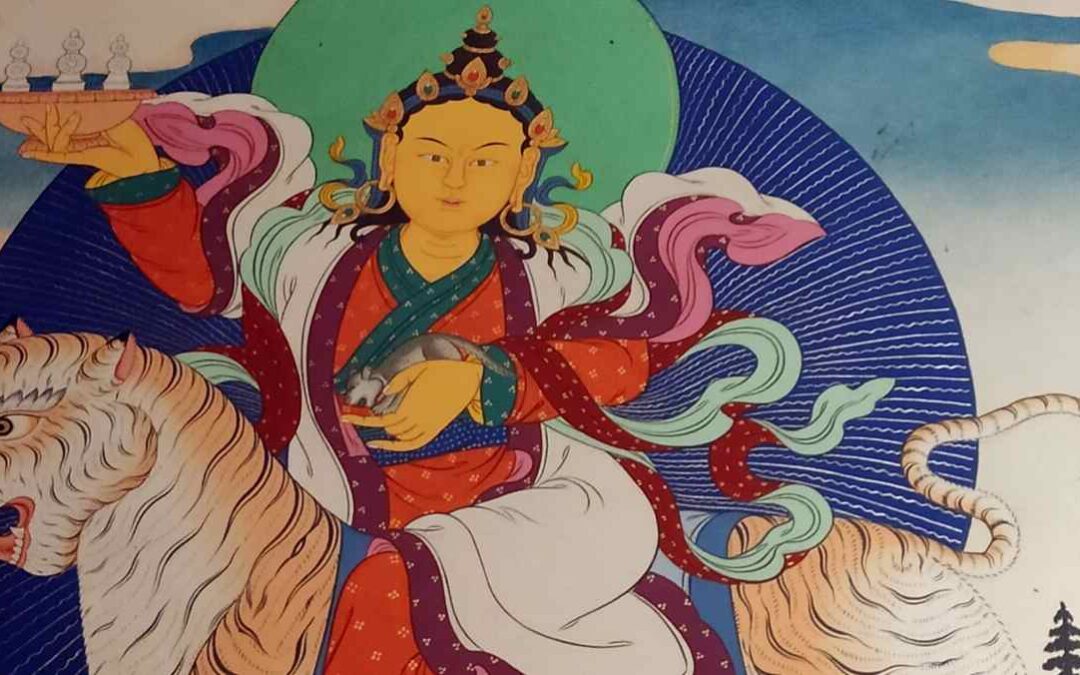
The five secret temples of the lamas in Lijiang
The five secret temples of the lamas in Lijiang Religions of Lijiang Although the city of Lijiang is known primarily for the Dongba religion practiced by the traditional shamans of the Naxi, also called Dongba, who with their rituals administered the religious and...
No se encontraron resultados
La página solicitada no pudo encontrarse. Trate de perfeccionar su búsqueda o utilice la navegación para localizar la entrada.
Ethnic groups

The Yao nationality puzzle
The Yao puzzle The Yao are one of the indigenous peoples of China remarkable for the following characters: - Big population. According to the 2000 census there were 2,600,000 Yao only in China. - Big dispersion. The Yao are dispersed for all the provinces of South...

The Spirits are drunk. Comparative approaches to Chinese religion
Paper, Jordan. The Spirits are drunk. Comparative approaches to Chinese religion. SUNY Press. 1995 This is a completely original book on the religions of China. Instead of following the repetitive mantra of the existence of three religions and describing them more or...
Chinese culture
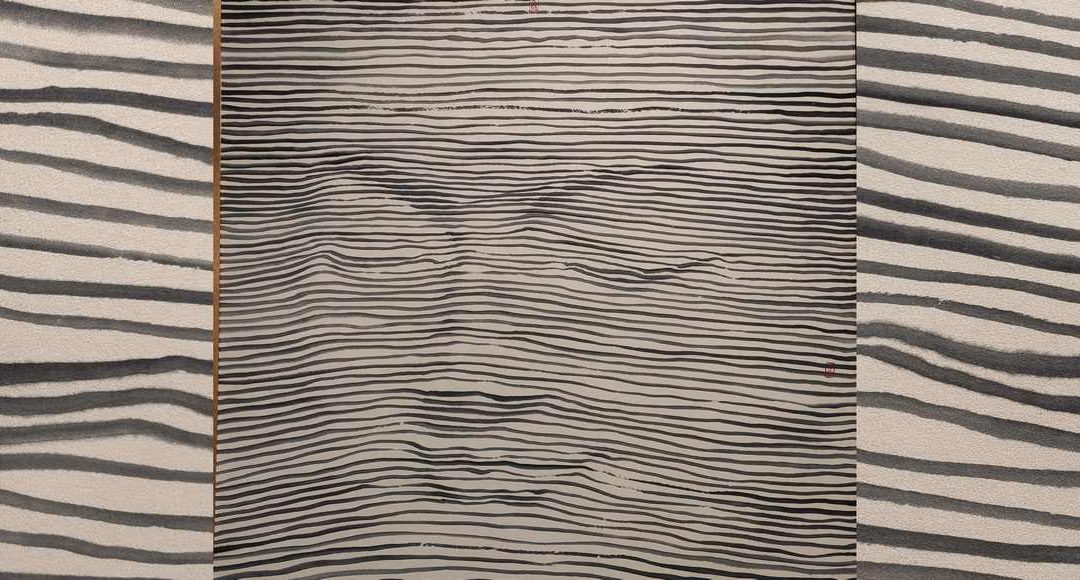
Zhang Yongzheng, the master of deluding reality
Zhang Yongzheng, the master of deluding reality Reality is an illusion, say Buddhist texts. And each of Zhang Yonggzheng's (Gansu, 1978) works plays with this concept to remind us again and again that there is no immutable reality but a fluid universe of forms that...
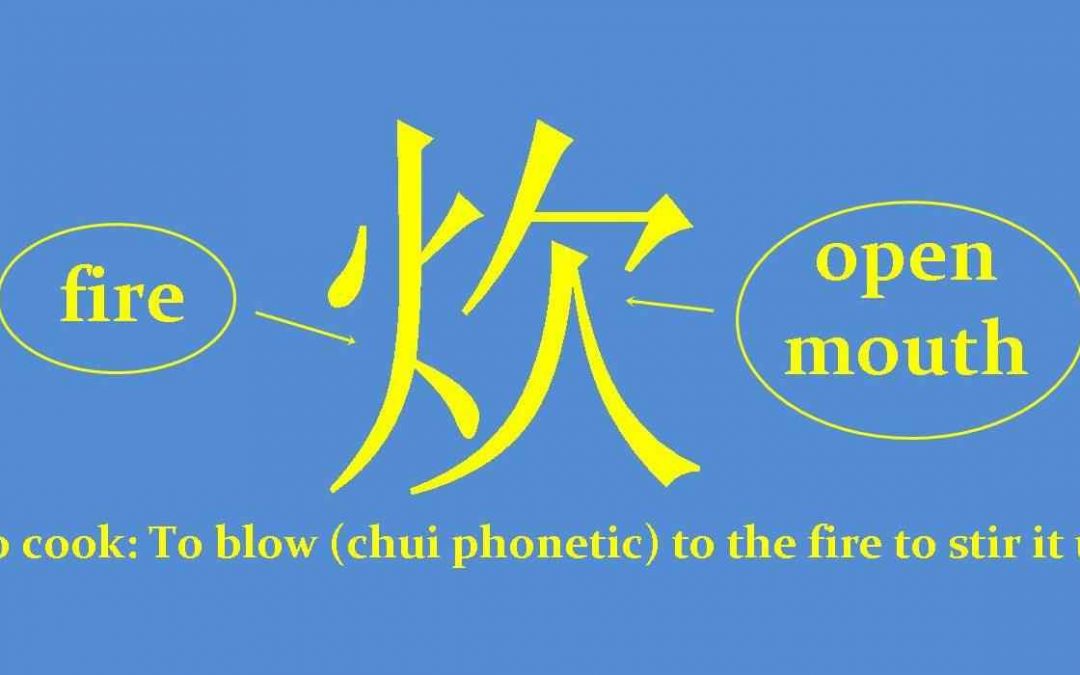
Chinese character 吹 chuī – cook
Chinese character 吹 chuī – cook ① cookHSK - STROKES - 8 RADICAL - 火 Elements ---- An open mouth 欠 + a fire 火 . Phonetic series 欠. To blow 吹 (chuī phonetic) to the fire 火 to stir it up and start cooking.炊具 chuījù cooking utensils.More posts on Chinese...
We are working to republish all the old post in this new format, but due to the vast amount of post published in the last years, it is possible that old and new design posts will coexist during some months.
INDEX OF ETHNIC GROUPS PAGES
General –Achang – Bai – Baima – Baoan – Bulang – Buyang – Buyi – Chashan – Dai – Daur – Deang – Deng – Dong – Dongxiang – Dulong – Ersu – Ewenki – Gejia – Gelao – Hani – Hezhe – Jingpo – Jino – Kucong – Lahu – Lhoba – Li – Lisu – Manchu – Maonan – Miao – Mongols – Moso – Mulao – Namzi – Naxi – Nu – Oroqen – Pumi – Qiang – Sani – She – Shui – Talu – Tibetan – Tu – Tujia – Uygur – Wa – Xibe – Yao – Yi – Yugur– Zhuang