


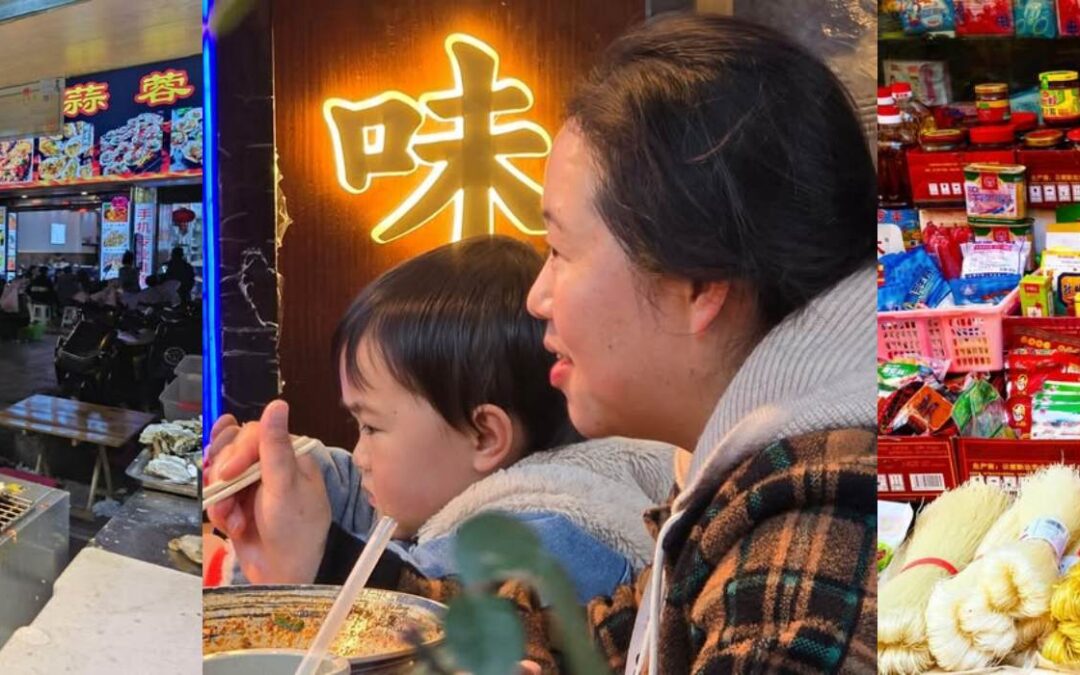
Kunming Scenes 2025-feb
The World of Noodles If the variety of wheat or rice noodles found in China is already enough to fill an entire book, an appendix should be dedicated to noodles made from other ingredients. It seems that any vegetable that can be turned into flour only needs a bit of...
No se encontraron resultados
La página solicitada no pudo encontrarse. Trate de perfeccionar su búsqueda o utilice la navegación para localizar la entrada.
Ethnic groups

A Yao folk-tale: why dead fish do not close their eyes?
A Yao folk-tale: why dead fish do not close their eyes? Fish live in water. With the large aquatic world as their home, they swim from one place to another seeking food and enjoying their happy existence. But eager fishermen go with their nets and hooks to catch them...

The Adventures of the Mad Monk Ji Gong
The Adventures of the Mad Monk Ji Gong The past few days I have been reading a novel about China's most famous rogue monk. About the Monk Ji Gong, better known for his fondness for wine and meat than for his religious merits. His kindness and continuous desire to help...
Chinese culture
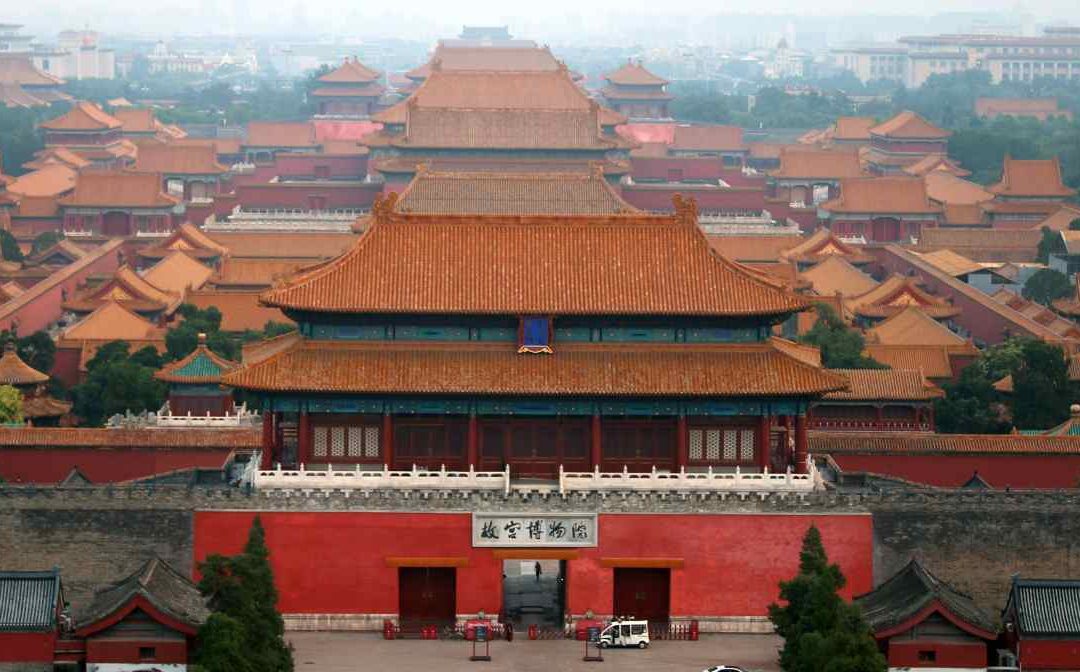
A Humble Proposal for Rethinking Historical Periodization: To Go Beyond Dynasties in Chinese History
A Humble Proposal for Rethinking Historical Periodization: To Go Beyond Dynasties in Chinese History Historical narratives are never neutral. The way we divide time reflects not only the facts we choose to remember, but also the frameworks we use to interpret them. In...

Chinese character 次 second, times
Chinese character 次 second, times second times, order inferior remain stand. HSK - 2 STROKES - 6 RADICAL - 冫Elements ---- two 二 + open mouth 欠. Phonetic series 次. This is two 二 breaths (or two sneezes) with an open mouth 欠, emphasizing the second one. Second >...
We are working to republish all the old post in this new format, but due to the vast amount of post published in the last years, it is possible that old and new design posts will coexist during some months.
INDEX OF ETHNIC GROUPS PAGES
General –Achang – Bai – Baima – Baoan – Bulang – Buyang – Buyi – Chashan – Dai – Daur – Deang – Deng – Dong – Dongxiang – Dulong – Ersu – Ewenki – Gejia – Gelao – Hani – Hezhe – Jingpo – Jino – Kucong – Lahu – Lhoba – Li – Lisu – Manchu – Maonan – Miao – Mongols – Moso – Mulao – Namzi – Naxi – Nu – Oroqen – Pumi – Qiang – Sani – She – Shui – Talu – Tibetan – Tu – Tujia – Uygur – Wa – Xibe – Yao – Yi – Yugur– Zhuang