


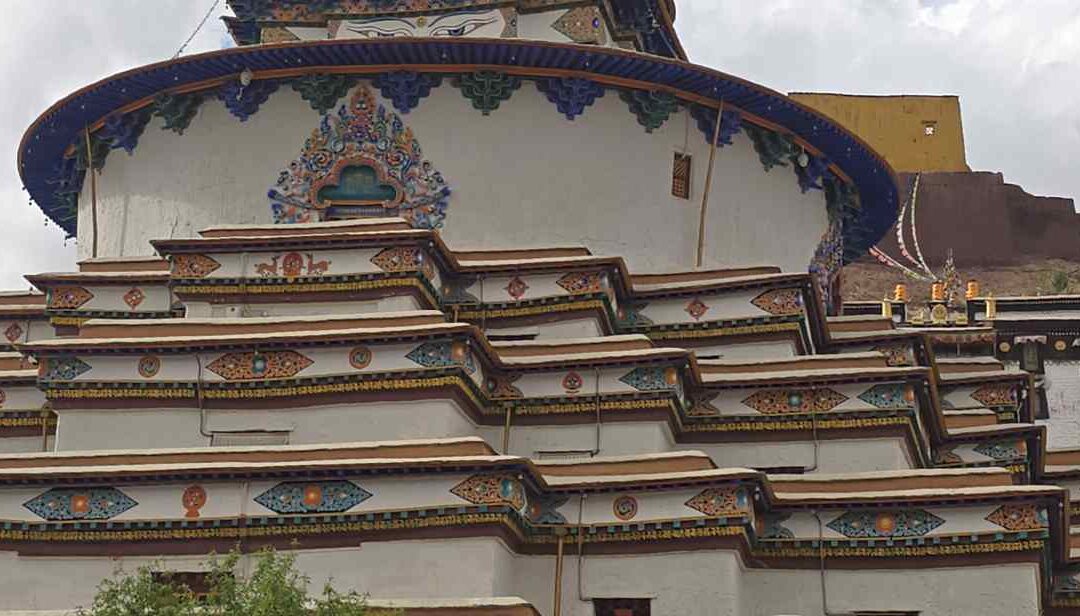
A Giant Mandala in the Heart of Tibet
A Giant Mandala in the Heart of Tibet The Palkor of Gyantze is one of Tibet’s great marvels and a unique jewel of universal architecture and art. Its shape, scale, and iconography defy comparison with any other construction. Amidst some of the highest mountains of...
No se encontraron resultados
La página solicitada no pudo encontrarse. Trate de perfeccionar su búsqueda o utilice la navegación para localizar la entrada.
Ethnic groups

The main characteristics of the Yao culture according to W. Eberhard
The main characteristics of the Yao culture according to W. Eberhard The main characteristic of this Yao culture was its productive system, namely slash and burnt dry-agriculture in the mountains. The main products were tuberous plants, apparently cultivated...

Manual of Taoist Architecture
Manual of Taoist Architecture There are some illustrated books that produce in the reader a contradictory feeling, because the images that explain what the text is about are sometimes accompanied by an exposition of ideas that is too superficial. Therefore the reader...
Chinese culture
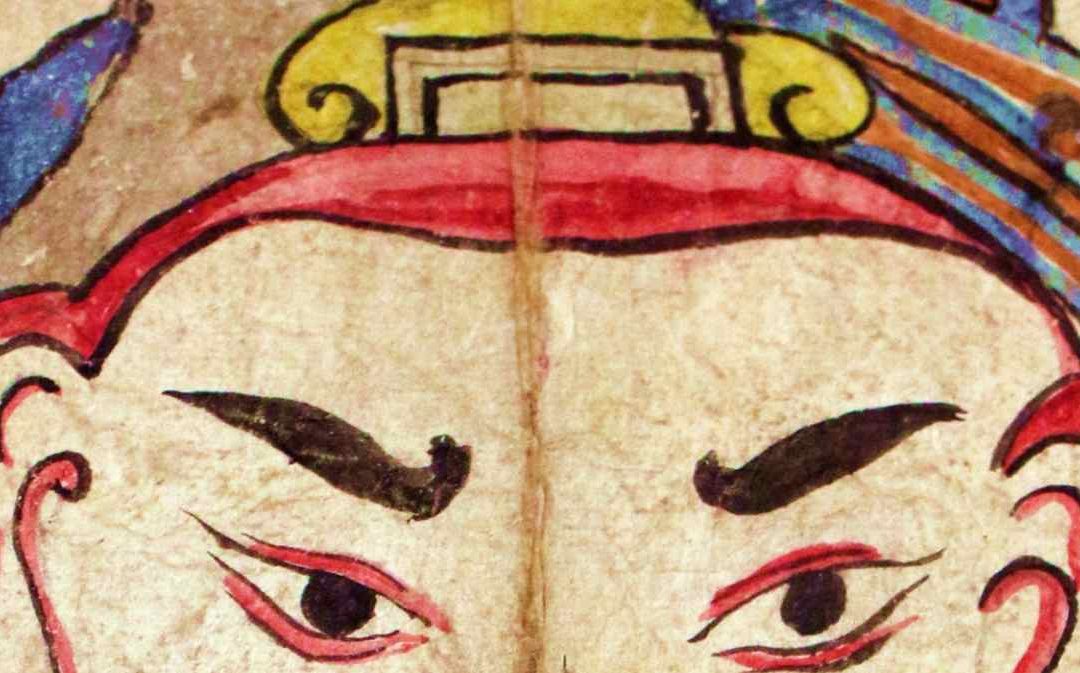
Does the Daodejing Contain the Oldest Creation Myth of China?
Does the Daodejing Contain the Oldest Creation Myth of China? An introductory article on Chinese mythology asserts (twice) that the myth of the creation of Huangdi (the Yellow Emperor) should be considered one of China's creation myths, following the model of...
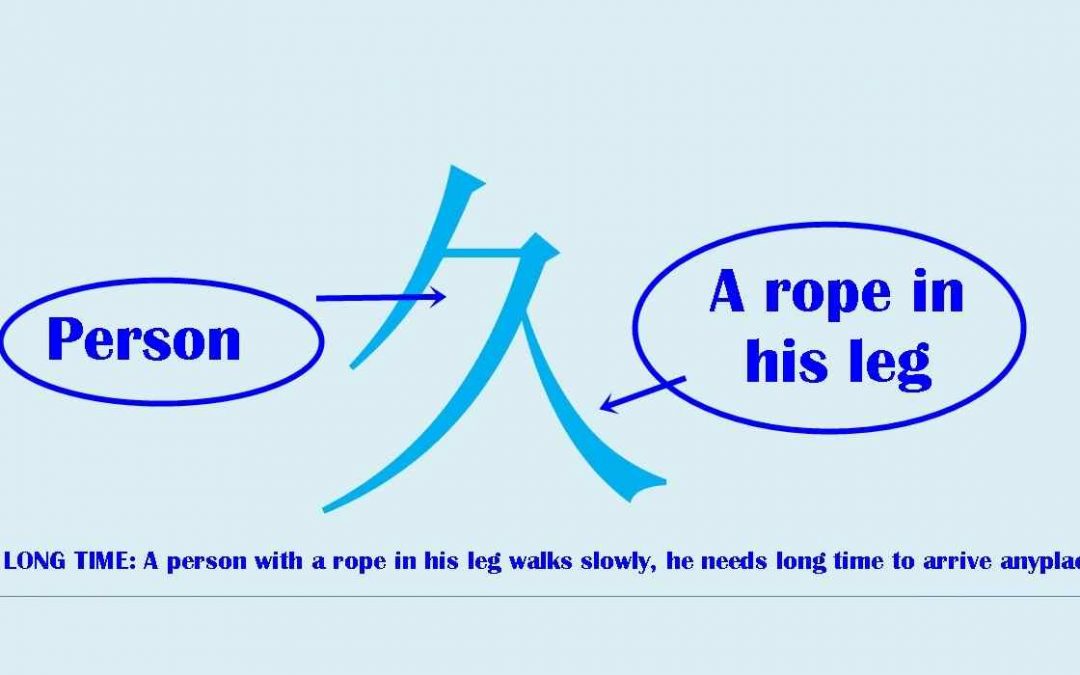
Chinese character 久 jiǔ – for a long time
Chinese character 久 jiǔ – for a long time 1. for a long time.2. long. HSK - 3 STROKES - 3 RADICAL - 丿Elements ---- Pictogram of a modified person. Phonetic series 久. Pictogram of a person 人= ⺈ with something in his leg, possibly some fetters that force him to walk...
We are working to republish all the old post in this new format, but due to the vast amount of post published in the last years, it is possible that old and new design posts will coexist during some months.
INDEX OF ETHNIC GROUPS PAGES
General –Achang – Bai – Baima – Baoan – Bulang – Buyang – Buyi – Chashan – Dai – Daur – Deang – Deng – Dong – Dongxiang – Dulong – Ersu – Ewenki – Gejia – Gelao – Hani – Hezhe – Jingpo – Jino – Kucong – Lahu – Lhoba – Li – Lisu – Manchu – Maonan – Miao – Mongols – Moso – Mulao – Namzi – Naxi – Nu – Oroqen – Pumi – Qiang – Sani – She – Shui – Talu – Tibetan – Tu – Tujia – Uygur – Wa – Xibe – Yao – Yi – Yugur– Zhuang