por pedroceinos | Ene 20, 2021 | culture, folklore, yi
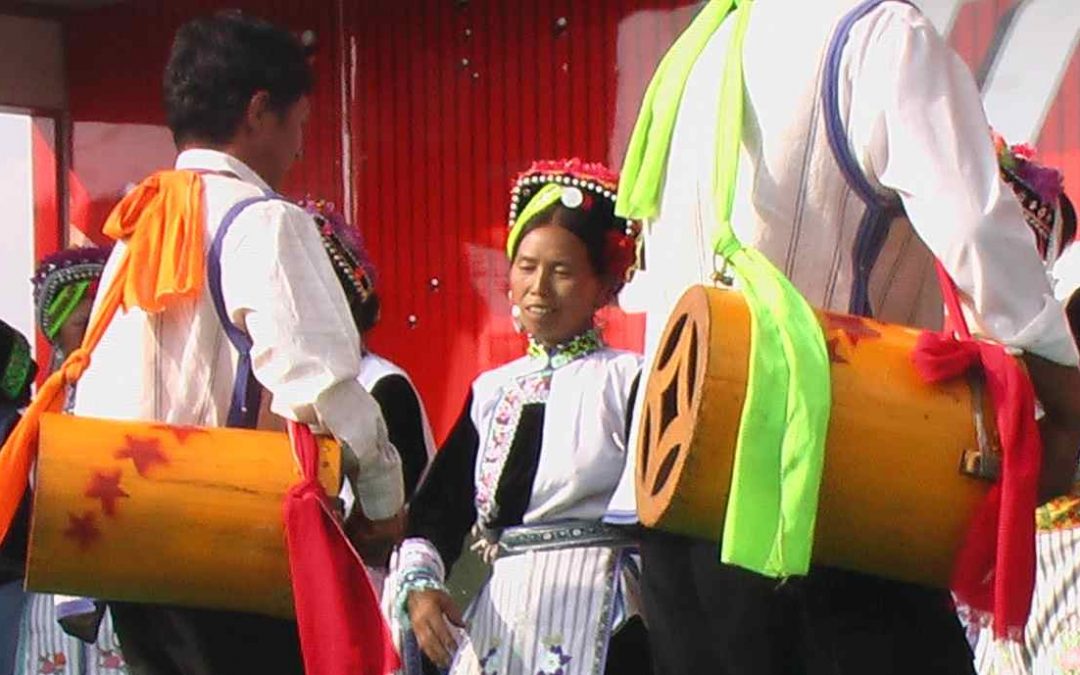
THE LION-DANCE AS RELIGIOUS DANCE THE LION-DANCE AS RELIGIOUS DANCE The lion-dancers first appeared in China under the Tang dynasty (a.d. 618-906), and made their debut at the court of the kings of Tibet about the same time. The lion-dancer represents a form of the...
por pedroceinos | Ene 16, 2021 | ethnic-groups, miao
The Flowery Miao in Zhaotong The Flowery Miao in Zhaotong As depicted by E. G. KEMP in The Face of China. New York. 1909. The prefectural town of Zhaotong was reached after passing through a dull plain, across which a piercing wind was blowing, which is characteristic...
por pedroceinos | Ene 15, 2021 | culture
Taosi. The first capital of China Taosi. The first capital of China Taosi is one of the most important archaeological discoveries in China in the past decades. Located in the southern part of Shanxi province, is possibly the first urban center emerged in China. The...
por pedroceinos | Ene 14, 2021 | chinese-characters
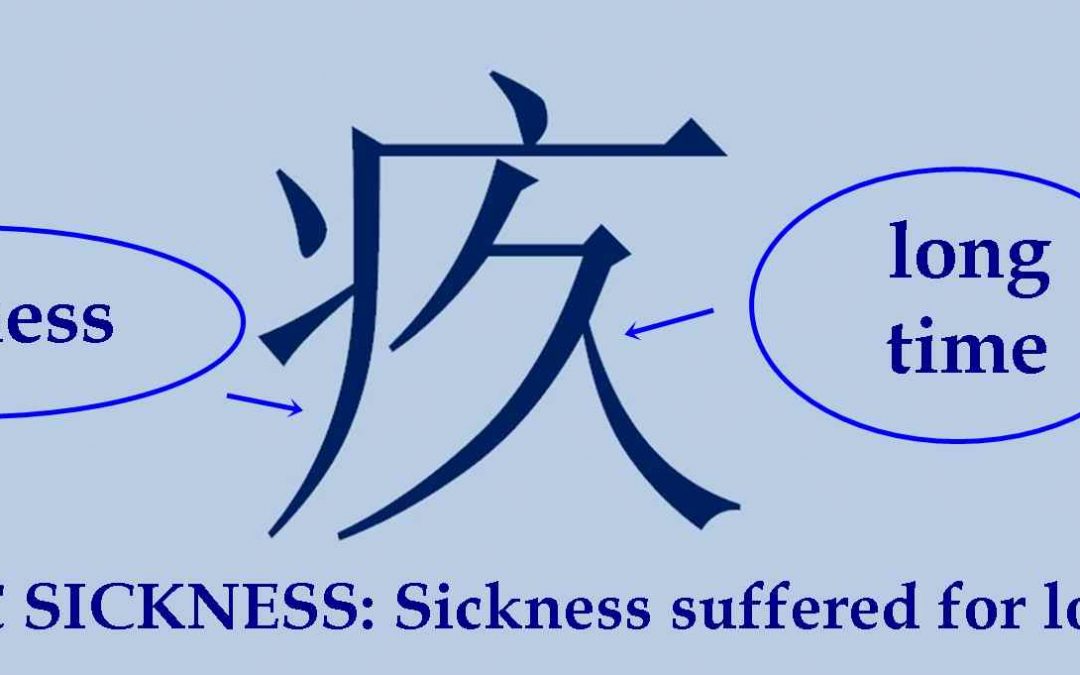
Chinese character 疚 jiù – chronic disease Main meanings 1. chronic disease. 2. remorse. Statistics HSK – STROKES – 8 RADICAL – 疒 Etymology Elements —- Illnes radical 疒 + long time 久. Phonetic series 久. It causes pain 疒 for long time 久. Main...
por pedroceinos | Ene 13, 2021 | ethnic-groups, yi
The Flood Myth, Shamans and the Sani Religion The Flood Myth, Shamans and the Sani Religion We continue with the second chapter of Paul Vial “Los Lolos”, in which fragments dedicated to the myth of the flood and the activities of its shamans are particularly striking....