


Zhuang phallic ritual
Zhuang minority has an interesting phallic ceremony. According to their legends, in antique times there was no communication between the two banks of the Hongshui River, women living on one bank of the river and men on the other. The god Buluotou stretched out his big and long sex over the river, making a celestial bridge. Thanks to this bridge the people crossed the river, and they mated making the first families, and humanity propagated.
When the god become old and the bridge turned soft, he removed the bridge leaving two pubic hairs that turned in two ways, masculine and feminine, making a bridge of men and women, where the people met in joy.
Every year, in the days following the New Year Festival, local people gather in the two banks of Hongshui River to celebrate a festival honoring Buluotou’s sex. They sacrifice an ox and a cow to Buluotou, provided by the people living on the two banks of the river. Images of the sex of the god are hung everywhere, usually as a paper sail, that the wind can blow as in the penis of the god have an erection.
Zhuang people eat and drink, the young people sing love songs. During the festival, they honor also their goddess Miliujia, as they consider that both she and Buluotou together created human beings. In the last 30 years, the sacrifice of the ox and cow were stopped, but not the festival atmosphere and the singing gathering.


Last posts

The monasteries of Tibet- the soul of the land
The monasteries of Tibet- the soul of the land One of the most charismatic aspects of Tibetan culture is its monasteries. Mention Tibet to anyone, at least in the West, and they will immediately associate that word with the monasteries and their monks. Those...
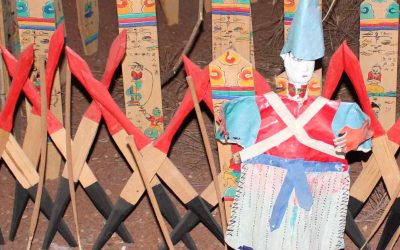
The Llubhu, women shamans of the Naxi
The Llubhu, women shamans of the Naxi The llubhu (also called sunyi) are the Naxi sorcerers or sorceresses. In ancient days they were always women, mediums who went into trances and claimed to see ghosts, the spirit of the deceased persons. They have the power of...
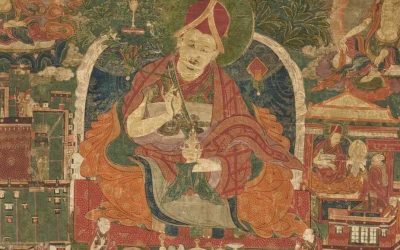
Sakya Monastery and its impressive art treasures
Sakya Monastery and its impressive art treasures Sakya Monastery is located 165 kilometers west of Shigatse, on the road to Tingri, and is a must-see for all travelers who can spare a little time to explore central Tibet, as well as those who end (or begin their...