


The goddess of the Sun of the Jingpo
The goddess of the Sun was in the sky when one day she realized that on Earth the situation of men had changed a great deal. When they were created, they were all equal, and without evil and they did not covet riches. The latest news was that there was increasing inequality between people, that wealth and poverty had arisen and, with it, the division between good and bad people.
Willing to see for herself, she went down to the land disguised as an old beggar. With ragged clothes and a broken bowl, she appeared in a village. First, she went to the house of a rich man, at whose door she asked to eat. The rich man, angry, told her to go away: «Why should I give you food? I’d rather throw it to my pigs or my dogs. My pigs will later give me meat, and my dogs will protect my house.»
Badly expelled, the old woman arrived shortly afterwards at a miserable hut in which a son lived with his blind mother. They barely had enough to get by, but when the mother, from inside the hut, heard her son talking to the old woman, she invited her in and offered to share the few vegetables she had. She asked her to regain her strength until she could find someone who would help her better. The goddess shared the humble food of this family. When she finished, she asked them for some water.
She had a drink and threw it in the mother’s face. A ray of light illuminated her eyes for the first time, she had regained her vision. She drank again, expelling the water towards the roof, whose straws immediately turned into tiles. She spit a third drink into empty baskets, and in a moment, they were filled with tasty yellow grains. Then she left.
The miracles of the goddess soon reached the ears of the rich. The wife said to her husband, «You’re stupid, we’ve had a chance to get rich, and you’ve kicked out that genie” Due to his wife’s continual complaints, the rich man sent some men out hunting to prepare a great feast, while others searched the village for the old woman to invite her to his house.
When the goddess had finished eating the delicacies offered to her, she asked for water again. The woman, greedily, instead of giving her a glass, gave her a pitcher. The old woman drank, and threw the first drink in the direction of the husband, turning him into a dog; she had a second drink, which she spit towards the woman, turning her into a dog; a third drink directed it to the roof of the house, and the tiles became straws.
The villagers were delighted with the punishment the old woman had inflicted upon the landlord. She still drank a new sip of water and, expelling it in the direction of the village, turned the straws of the people’s houses into tiles and filled their baskets with wheat and corn. Then she went to the centre of the village, and with a sigh, she disappeared. Some said they saw her shadow among the clouds, others said they heard:
«Now the wicked have been punished. You have new houses and provisions. Remember, to eat you must plant enough grain, let everyone work, and if anyone has money, let him not oppress others.”
Originally published in “Leyendas de la Diosa Madre y otros mitos de diosas y mujeres de los pueblos de China.”


Last posts

The monasteries of Tibet- the soul of the land
The monasteries of Tibet- the soul of the land One of the most charismatic aspects of Tibetan culture is its monasteries. Mention Tibet to anyone, at least in the West, and they will immediately associate that word with the monasteries and their monks. Those...
The Llubhu, women shamans of the Naxi
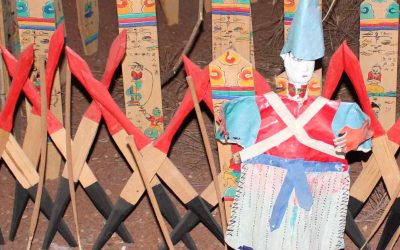
The Llubhu, women shamans of the Naxi The llubhu (also called sunyi) are the Naxi sorcerers or sorceresses. In ancient days they were always women, mediums who went into trances and claimed to see ghosts, the spirit of the deceased persons. They have the power of...
Sakya Monastery and its impressive art treasures
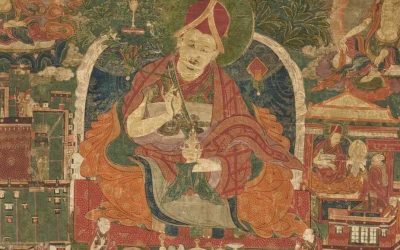
Sakya Monastery and its impressive art treasures Sakya Monastery is located 165 kilometers west of Shigatse, on the road to Tingri, and is a must-see for all travelers who can spare a little time to explore central Tibet, as well as those who end (or begin their...