


Gu illness resulted from a contamination by gu poison, which a recent analyst has characterized as “an alien evil spirit which entered [the] body and developed into worms or some similar animal that gnawed away at the intestines or genitalia.” This poison was thought to be picked up in damp and humid wetlands, and after a considerable incubation period, it would cause severe symptoms, including derangement and debauchery, ending in death. …As it turns out, the gu itself was produced from the sexual secretions of men and women engaged in lascivious and incestuous intercourse, or from the similar secretions of various insects and animals purposely cultivated by a person with the intention of poisoning another. These and other accounts point to an origin of gu in an abnormal and degenerate intensification of the emotions, and N. H. van Straten has persuasively argued for a connection with the transgression of taboos on sexuality and aggression: This gu poison and various related aspects can be considered to represent an intensified materialization of the various notions which centered on fear of the instincts as causes of disorder. In theory this disorder was believed to be the natural concomitant of disturbed sexual relationships and the overt expression of aggression that had been dormant for a long time. In practice this meant the repression of the instincts in order to cut out potential sexual and social conflicts; and the psychological problems that arose from this demand are concreted in the concepts of gu poison.
Davis, Edward L. Society and the supernatural in Song China. 2001 University of Hawai‘i Press. P. 90


Last posts
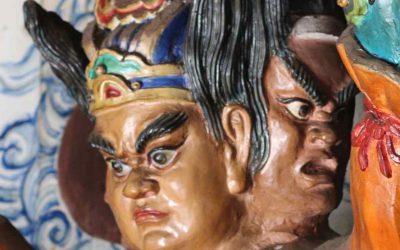
A Taoist exorcism séance
'My friend is going to conclude an exorcism service this morning and, if you are really so interested, he hopes you can come and witness it.' He paused uncertainly. 'But I must warn 86 you that it is not a pretty sight. Really it is most unpleasant, disgusting and...
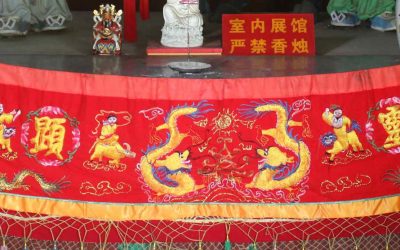
Chinese superstitions before the birth
To have five sons, rich, vigorous, literate and who become mandarins: this is the ideal of any Chinese family. From this matrix idea emerged the various types of popular images that are displayed in all households: Wu Zi Deng Ke (五子登科), Have five official children!...
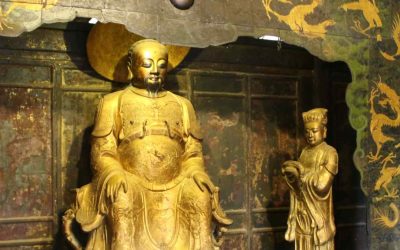
Asking about Taoism
Now is the time to ask him something about Taoism, I decided, and I poured out my questions. He looked up at me with his innocent, childish eyes, his smile gentle but, I thought, slightly ironical. 'Take time, observe and learn,' he said simply. 'Words spoken in haste...