


Gu illness resulted from a contamination by gu poison, which a recent analyst has characterized as “an alien evil spirit which entered [the] body and developed into worms or some similar animal that gnawed away at the intestines or genitalia.” This poison was thought to be picked up in damp and humid wetlands, and after a considerable incubation period, it would cause severe symptoms, including derangement and debauchery, ending in death. …As it turns out, the gu itself was produced from the sexual secretions of men and women engaged in lascivious and incestuous intercourse, or from the similar secretions of various insects and animals purposely cultivated by a person with the intention of poisoning another. These and other accounts point to an origin of gu in an abnormal and degenerate intensification of the emotions, and N. H. van Straten has persuasively argued for a connection with the transgression of taboos on sexuality and aggression: This gu poison and various related aspects can be considered to represent an intensified materialization of the various notions which centered on fear of the instincts as causes of disorder. In theory this disorder was believed to be the natural concomitant of disturbed sexual relationships and the overt expression of aggression that had been dormant for a long time. In practice this meant the repression of the instincts in order to cut out potential sexual and social conflicts; and the psychological problems that arose from this demand are concreted in the concepts of gu poison.
Davis, Edward L. Society and the supernatural in Song China. 2001 University of Hawai‘i Press. P. 90


Last posts
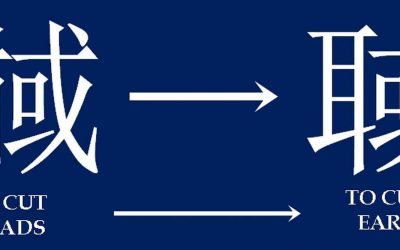
How a change in writing changed history
How a change in writing changed history In ancient China, enemies' heads were cut off for several different reasons: enemies captured alive as part of a ritual intended to provide power to the victor, during battle to witness the number of dead enemies and collect...
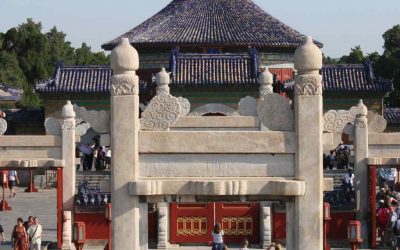
Ceremonias en el Templo del Cielo al final del gobierno imperial
Selecciones de la descripción de Henry Blodget[i] El altar del Cielo, Tian Tan 天坛, está situado en el suburbio sur de Pekín, a cuatro km del palacio del emperador. El altar a la Tierra, Di Tan 地坛, está en el suburbio norte, a unos tres km del palacio. Esta ubicación...
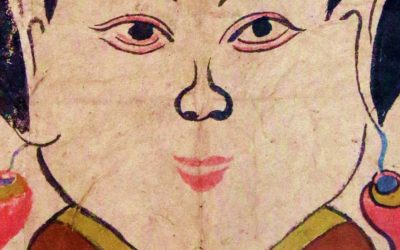
Legends of the Mother Goddess: Intro
From Leyendas de la Diosa Madre. Pedro Ceinos Arcones. Miraguano, 2007. Anyone who approaches the literature of the minorities of Southern China will discover numerous works where the leading role is played by a female goddess or deity. Whether dedicated to the...