


Gu illness resulted from a contamination by gu poison, which a recent analyst has characterized as “an alien evil spirit which entered [the] body and developed into worms or some similar animal that gnawed away at the intestines or genitalia.” This poison was thought to be picked up in damp and humid wetlands, and after a considerable incubation period, it would cause severe symptoms, including derangement and debauchery, ending in death. …As it turns out, the gu itself was produced from the sexual secretions of men and women engaged in lascivious and incestuous intercourse, or from the similar secretions of various insects and animals purposely cultivated by a person with the intention of poisoning another. These and other accounts point to an origin of gu in an abnormal and degenerate intensification of the emotions, and N. H. van Straten has persuasively argued for a connection with the transgression of taboos on sexuality and aggression: This gu poison and various related aspects can be considered to represent an intensified materialization of the various notions which centered on fear of the instincts as causes of disorder. In theory this disorder was believed to be the natural concomitant of disturbed sexual relationships and the overt expression of aggression that had been dormant for a long time. In practice this meant the repression of the instincts in order to cut out potential sexual and social conflicts; and the psychological problems that arose from this demand are concreted in the concepts of gu poison.
Davis, Edward L. Society and the supernatural in Song China. 2001 University of Hawai‘i Press. P. 90


Last posts

The Monastery of Sera – History and foundation
The Monastery of Sera - History and foundation Sera Monastery, located on the outskirts of Lhasa, is one of the largest monasteries in Tibet, and one of the most important centers of learning. Still today many young Tibetans come to the monastery to be trained in the...

The monasteries of Tibet- the soul of the land
The monasteries of Tibet- the soul of the land One of the most charismatic aspects of Tibetan culture is its monasteries. Mention Tibet to anyone, at least in the West, and they will immediately associate that word with the monasteries and their monks. Those...
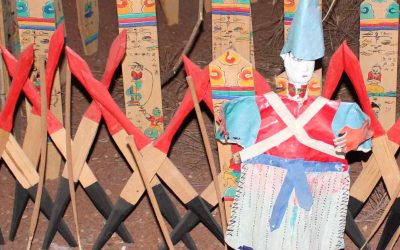
The Llubhu, women shamans of the Naxi
The Llubhu, women shamans of the Naxi The llubhu (also called sunyi) are the Naxi sorcerers or sorceresses. In ancient days they were always women, mediums who went into trances and claimed to see ghosts, the spirit of the deceased persons. They have the power of...