


Portrait of a Mandarin in 1800
This was the year in which a very interesting book was published, which through 60 portraits, tried to show some aspects of life in China to the western public. A book now in the public domain, from which we adapted «A Mandarin of distinction, in his ceremonial habit.»
The dress of a Chinese is suited to the gravity of his demeanour. It consists, in general, of a long vest extending to the ankle: the sleeves are wide at the shoulder, are gradually narrower at the wrist, and are rounded off in the form of a horse-shoe, covering the whole hand when it is not lifted up. No man of rank is allowed to appear in public without boots, which have no heels, and are made of satin, silk, or calico. In full dress he wears a long silk gown, generally of a blue colour and heavily embroidered; over this is placed a surcoat of silk, which reaches to the hand, and descends below the knee. From his neck is suspended a string of costly coral beads. His cap is edged with satin, velvet, or fur, and on the crown is a red ball with a peacock’s feather hanging from it: these are badges of distinction conferred by the emperor. The embroidered bird upon the breast is worn only by mandarins high in civil rank, while the military mandarins are distinguished by an embroidered dragon. All colours are not suffered to be worn indiscriminately. The emperor and the princes of the blood only, are allowed to wear yellow; although violet colour is sometimes chosen by mandarins of rank on days of ceremony. The common people seldom wear any other than blue or black, and white is universally adopted for mourning.
— The Chinese carefully avoid every word or gesture which may betray either anger or any violent emotion of the mind. They entertain the highest reverence for their parents, and respect for the aged. They are enthusiastic admirers of virtue, and venerate the memory of such of their nation as have been celebrated for a love of justice and of their country, With this singular people neither riches nor birth can ever establish the smallest claim to honours. Personal merit is the sole basis upon which any man can raise himself to distinguished rank. Talents and virtue are indispensably requisite for those in power ; and where they are deficient, every advantitious or hereditary pretension is totally disallowed.
De George Henry Mason. The costume of China: illustrated by sixty engravings: with explanations in English and French. London, 1800.


Last posts
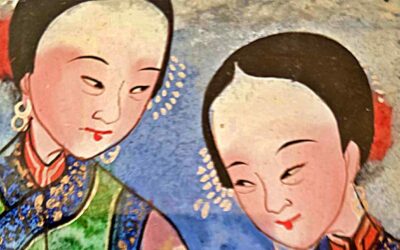
Suicide Caused by the Sale of Wives in Late Imperial China
Suicide Caused by the Sale of Wives in Late Imperial China During the Qing dynasty, family relations were a constant cause of suicide, especially for women. Many of the distinctive features of Chinese marriage pushed women toward suicide, one of the most lethal being...
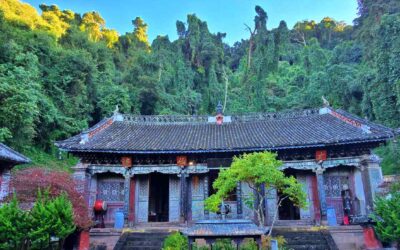
Discover the Treasure of Weibaoshan Mountain in Yunnan
Discover the Treasure of Weibaoshan Mountain in Yunnan Weibao Mountain (巍宝山) is one of the sacred mountains of Yunnan. Within its relatively small area it brings together a historical, artistic, natural, and monumental ensemble that makes it a unique place in China...
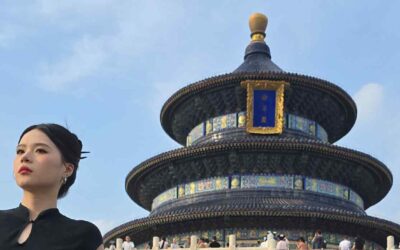
Imperial Processions to the Temple of Heaven
Imperial Processions to the Temple of Heaven Those who know China—even if only through a brief trip—and who have visited the Temple of Heaven in Beijing will surely have been fascinated by the sober beauty of its buildings. Yet, whether on a crowded day or during a...